Protected: Corporate Ethics & Compliance Program Training
There is no excerpt because this is a protected post.
Protected: Corporate Ethics & Compliance Program Training Read More »

There is no excerpt because this is a protected post.
Protected: Corporate Ethics & Compliance Program Training Read More »
Build strong corporate governance compliance frameworks with TheComplyGuide training programs.
Corporate Governance Compliance Framework Training Read More »
Improve organizational resilience and compliance readiness with expert-led enterprise risk management training.
Enterprise Risk Management Training for Modern Compliance Teams Read More »
Understand GDPR and CCPA differences, compliance obligations, and data privacy strategies with expert guidance.
GDPR vs CCPA Compliance: Key Differences Businesses Must Know Read More »
Discover essential internal controls for small businesses to prevent fraud, improve compliance, and manage risks effectively.
Internal Controls for Small Businesses & SMB Compliance Read More »

Understand the importance of internal controls in preventing fraud, ensuring compliance, and improving operational efficiency.
Importance of Internal Controls in Risk & Compliance Read More »
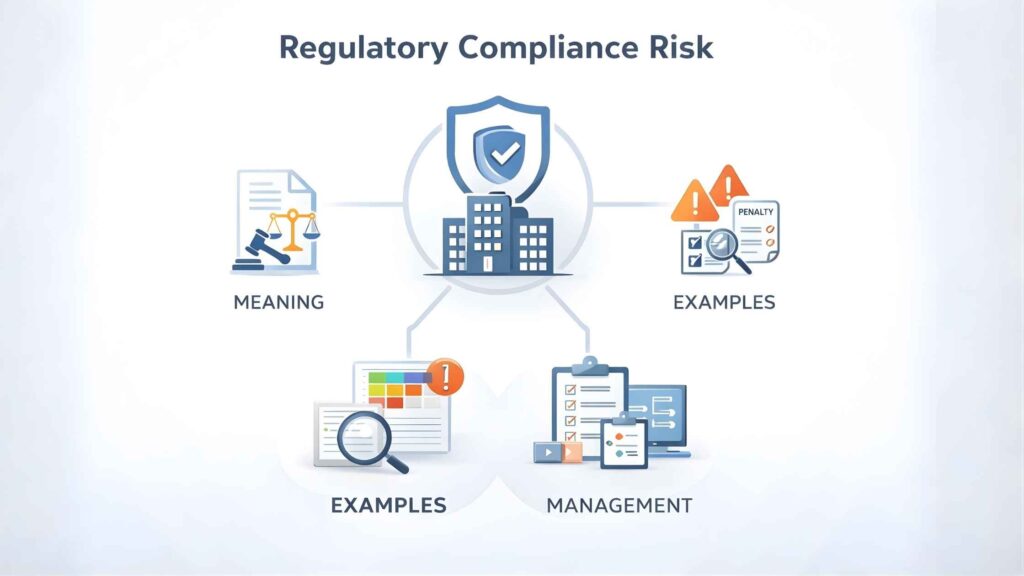
Understand regulatory compliance risk, common failures & how to manage compliance risks effectively with TheComplyGuide.
Regulatory Compliance Risk: Meaning, Examples & Management Read More »
Learn what makes an effective corporate compliance program with TheComplyGuide. Ensure your organization meets all regulatory and operational requirements.
Learn what regulatory compliance is, key requirements, risks, examples & solutions. Expert-led compliance training & consulting by TheComplyGuide.
Regulatory Compliance 101: Definition, Requirements & Solutions Read More »
Master corporate governance best practices with TheComplyGuide. Ensure ESG compliance, effective boards, and institutional governance excellence.
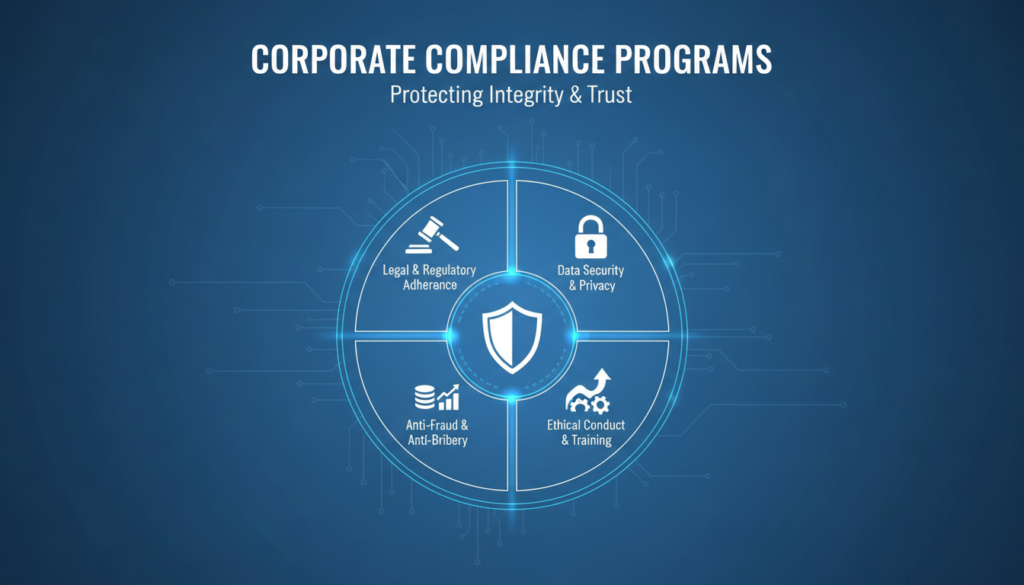
See real-world examples of corporate compliance programs. TheComplyGuide illustrates best practices and common program structures for businesses.
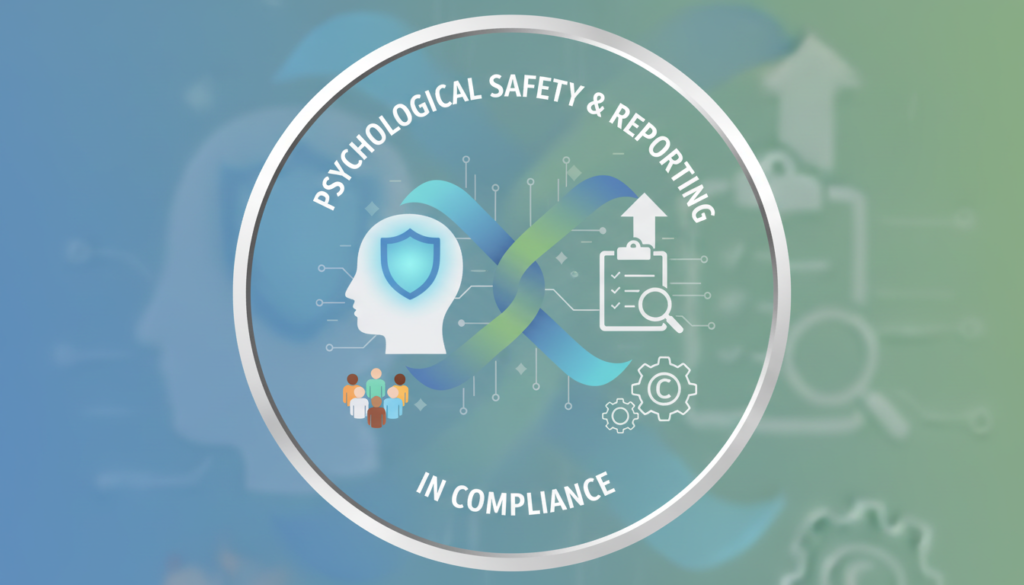
Learn how psychological safety supports ethical leadership and compliance. TheComplyGuide trains leaders to create safe, transparent reporting environments.
Psychological Safety and Reporting in Compliance Read More »

According to the U.S. Equal Employment Opportunity Commission, employers paid over $665 million in monetary benefits in a recent fiscal year to resolve discrimination charges. These figures highlight the real cost of failing to understand federal hr laws. HR compliance laws training is no longer optional. It is a strategic safeguard for every organization in
Federal laws covered under HR compliance training Read More »

More than 70% of organizations report measurable risk reduction after structured compliance education. Yet many companies still struggle to select the right hr compliance training program. In the United States, employment regulations shift quickly. One misstep can trigger audits, lawsuits, or costly settlements. If your HR team lacks updated knowledge, your organization carries silent risk.
How to choose the right HR compliance training program Read More »

According to the U.S. Equal Employment Opportunity Commission, employers received over 81,000 discrimination charges in a recent fiscal year. In many of these cases, outcomes depended heavily on documentation. Recordkeeping and documentation in HR compliance training is not administrative busywork. It is legal protection, audit defense, and operational risk control combined. Organizations across the United
Recordkeeping and Documentation in HR Compliance Training Read More »

According to the U.S. Equal Employment Opportunity Commission, employers received over 73,000 new workplace discrimination charges in a recent fiscal year. Each claim exposes gaps in policies, documentation, or training. This reality makes HR compliance training career advancement not just desirable, but essential for HR professionals across the United States. If you work in HR, you
HR Compliance Training for Career Growth in Human Resources Read More »

More than 50% of HR professionals in the United States now hold at least one professional certification, according to public industry surveys by major HR associations. As regulatory enforcement increases across federal and state agencies, many professionals ask a pressing question: Is hr compliance training required for hr certification? The short answer is nuanced. While
Is HR compliance training required for HR certification? Read More »

According to industry research, more than 70% of organizations report reduced operational risk after structured compliance education. That statistic alone shows why hr compliance training skills are no longer optional for HR teams in the United States. Regulatory enforcement is rising. Employment lawsuits are costly. Wage and hour claims, discrimination charges, and data privacy violations
Skills you gain from HR compliance training courses Read More »
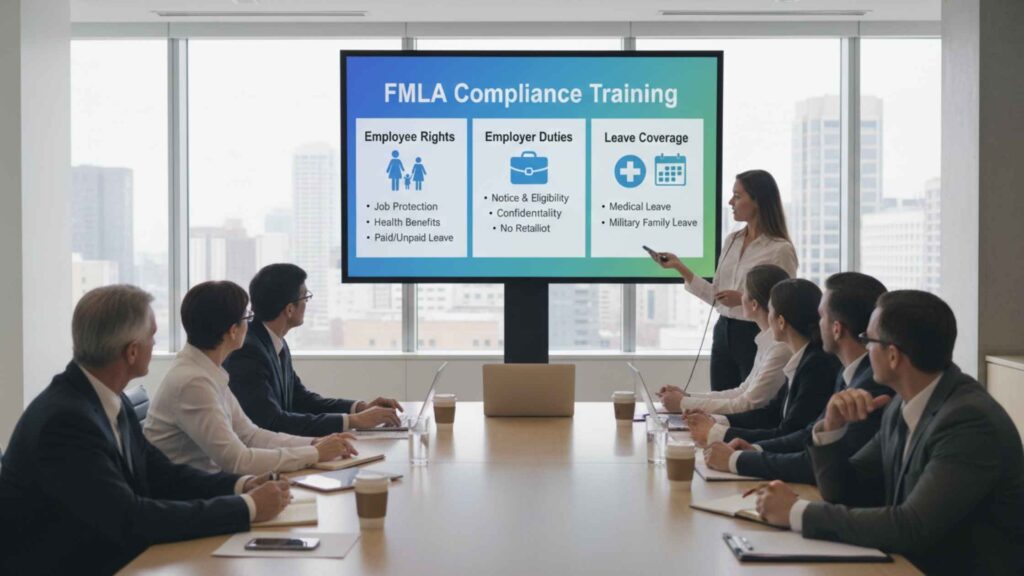
The U.S. Department of Labor reports that millions of American workers use Family and Medical Leave Act protections each year. With over 15 million FMLA leave events estimated annually, the margin for employer error is razor thin. One misstep can trigger costly litigation, wage claims, or federal audits. That is why structured fmla compliance training
FMLA compliance training: Requirements, coverage & employer duties Read More »
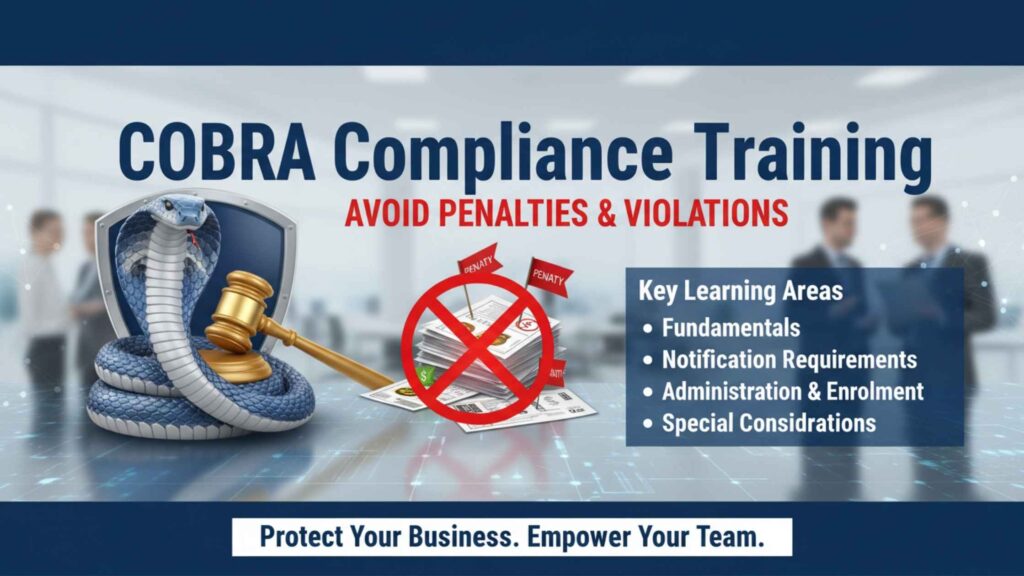
According to federal compliance data, employers can face penalties of up to $110 per day for each qualified beneficiary when COBRA notices are not properly issued. This single oversight can expose organizations to severe cobra penalties, lawsuits, and Department of Labor scrutiny. The risk is greater than most HR leaders realize. COBRA rules remain one
COBRA Compliance Training: Avoid Penalties & Violations Read More »

Workplace discrimination claims remain a major compliance risk in the United States. According to data from the Equal Employment Opportunity Commission, over 70,000 workplace discrimination charges are filed annually across industries. Many organizations face costly litigation due to weak policies and inadequate training. This reality makes eeo compliance training an essential part of modern HR
EOE & Anti-discrimination training as part of HR compliance Read More »
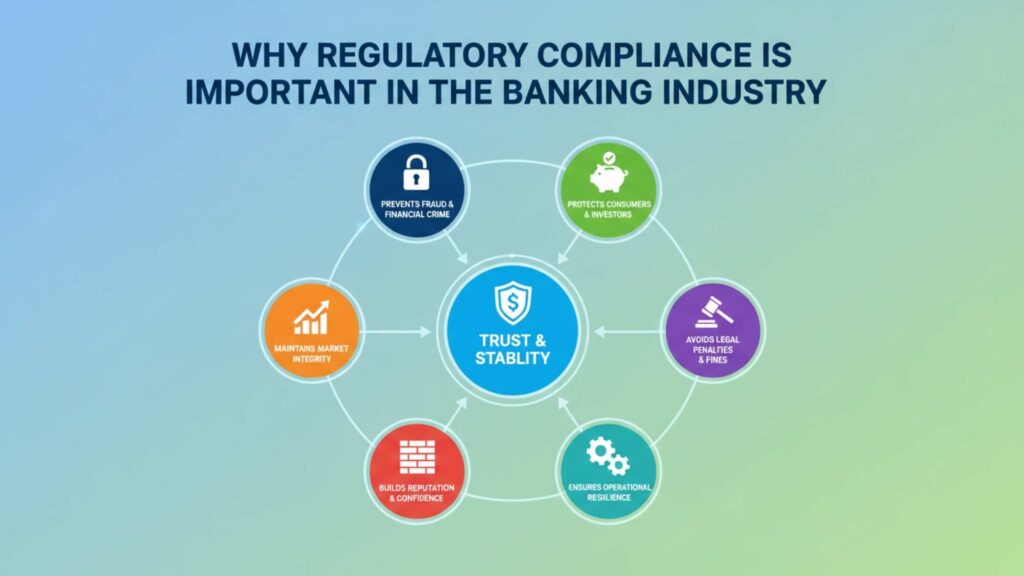
Discover the importance of regulatory compliance in banking, including risk reduction, fraud prevention, and trust building. Learn practical insights with expert training from TheComplyGuide.
Why Regulatory Compliance Is Important in Banking Industry Read More »
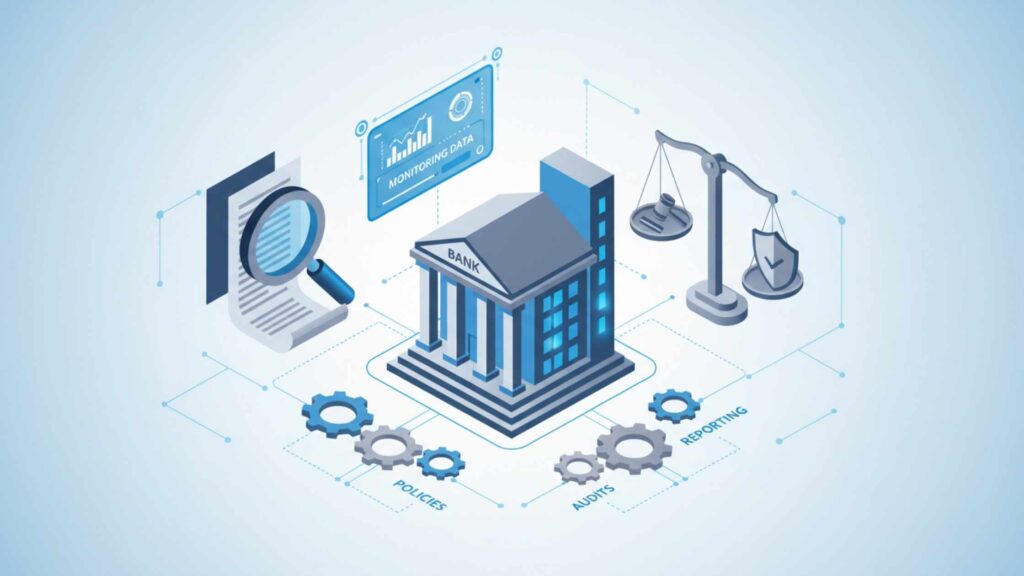
Learn how banks ensure regulatory compliance through internal policies, monitoring systems, audits, and employee training to maintain regulatory standards. | TheComplyGuide
How Banks Ensure Regulatory Compliance: Policies, Monitoring & Audits Read More »
Master HR compliance training with a complete guide to laws, courses, and certifications designed to reduce risk and ensure compliance with TheComplyGuide.
HR Compliance Training: Complete Guide to Laws, Courses & Certifications Read More »
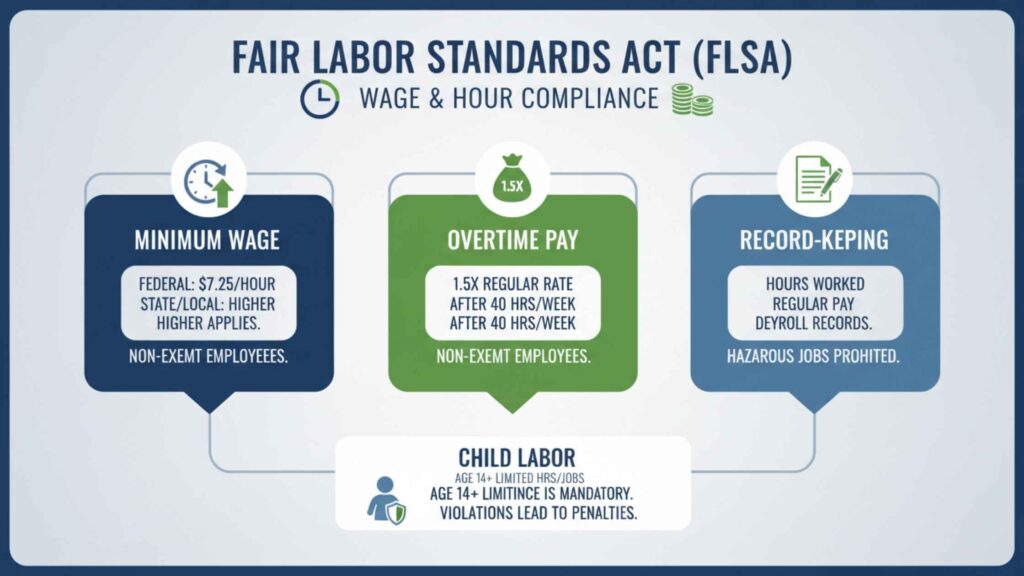
Learn how FLSA compliance training supports wage and hour law adherence with expert programs from TheComplyGuide.
FLSA / Wage & Hour Compliance Training Explained Read More »
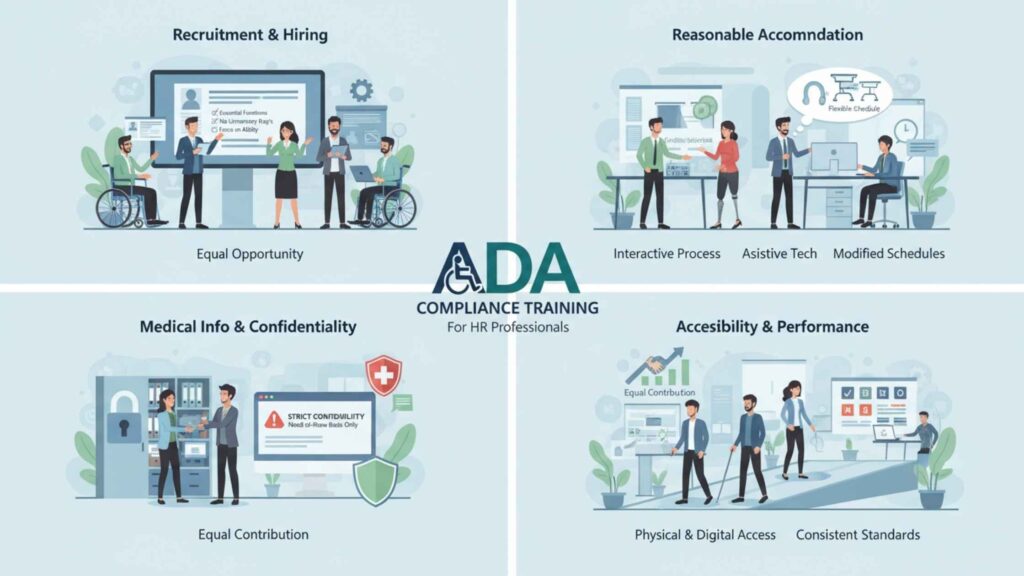
According to the U.S. Equal Employment Opportunity Commission, disability discrimination charges consistently rank among the top five workplace complaints filed each year. This reality makes ada compliance training not just helpful, but mission-critical for modern HR teams across the United States. Human Resources leaders today operate in a high-risk legal climate. One misstep in handling

More than 70% of organizations report measurable risk reduction after implementing structured compliance training programs. That statistic alone explains why HR compliance audits training has become a strategic priority across the United States. In an era of aggressive enforcement by the DOL, EEOC, and state labor agencies, audit readiness is no longer optional. HR leaders face
HR Compliance Audits: Role of Training in Staying Compliant Read More »
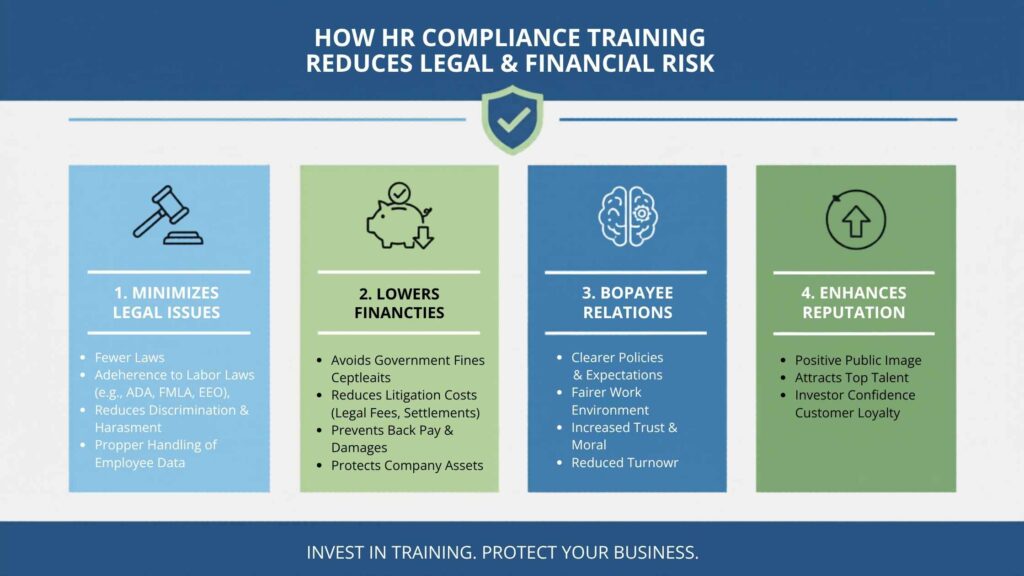
According to the Equal Employment Opportunity Commission, U.S. employers paid over $665 million in monetary benefits to employees in a recent fiscal year due to workplace discrimination claims. That number reflects just one category of exposure. The true cost of non-compliance is far higher. This is why hr compliance risk reduction is no longer optional
How HR Compliance Training Reduces Legal & Financial Risk Read More »
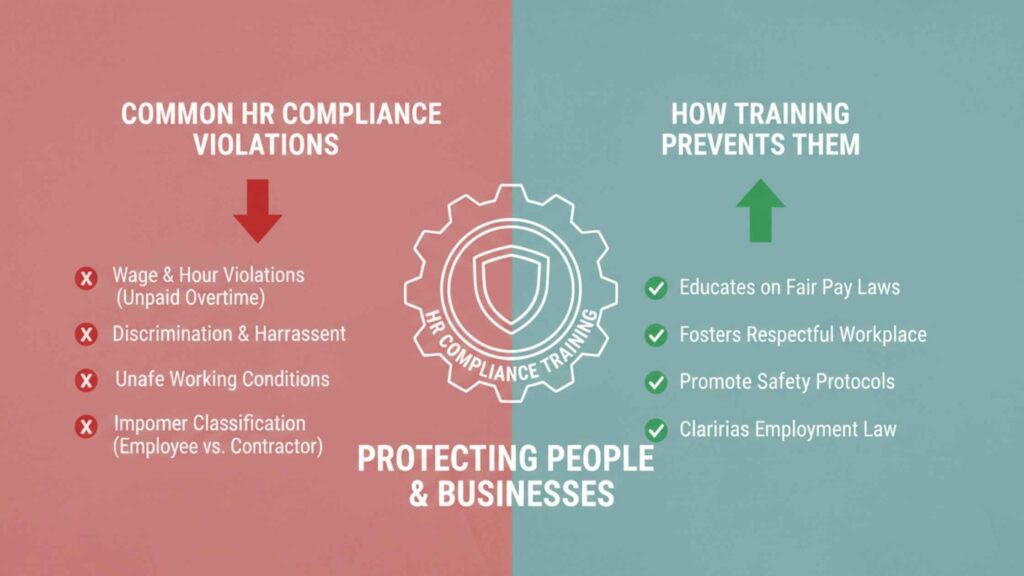
According to the U.S. Equal Employment Opportunity Commission, employers paid over $665 million in monetary benefits in a single recent fiscal year for discrimination charges alone. This figure does not include private settlements or state-level penalties. The cost of hr compliance violations continues to rise across the United States. For HR leaders, this is more
Common HR compliance violations and how training prevents them Read More »
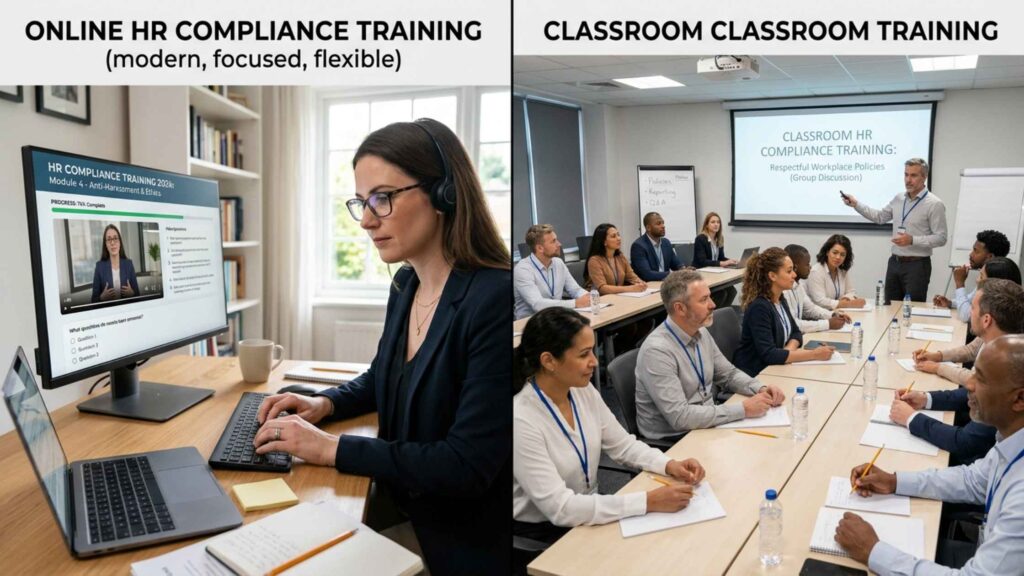
According to industry research, more than 70% of organizations report measurable risk reduction after structured compliance programs. That statistic drives the debate around online hr compliance training and classroom hr compliance. HR leaders across the United States are reassessing their hr training formats to avoid lawsuits, audits, and penalties. Federal and state employment laws change
Online HR Compliance Training vs Classroom Training Read More »

According to the IRS, billions of dollars in payroll tax penalties are assessed each year due to errors and late filings. That number alone proves why hr compliance training payroll is not optional for U.S. organizations. Payroll and benefits professionals operate in one of the most regulated areas of business. A single oversight can trigger
HR compliance training for payroll & benefits professionals Read More »

According to industry research, over 70% of organizations report measurable risk reduction after structured compliance training programs. Yet many frontline managers still lack formal HR compliance training for managers. That gap exposes companies to costly lawsuits, EEOC claims, and Department of Labor investigations. Managers are the first line of defense. They make daily decisions that
HR Compliance Training For Managers & Supervisors Read More »

According to the U.S. Equal Employment Opportunity Commission, employers paid over $665 million in monetary benefits to employees in a recent fiscal year due to workplace discrimination claims. This figure excludes legal fees and reputational damage. The numbers make one fact clear: hr compliance training is no longer optional. It is a business imperative. For
What is HR compliance training and why is it mandatory? Read More »
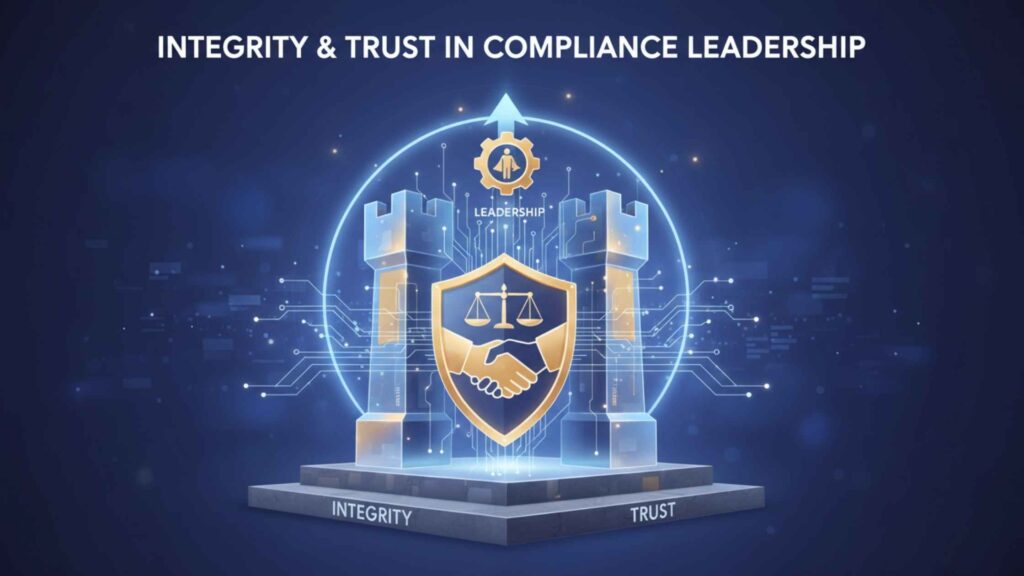
According to the Ethics & Compliance Initiative, organizations with strong ethical cultures are significantly less likely to experience misconduct and retaliation claims. This data reinforces one truth: leadership integrity is not optional. It is a strategic necessity for modern organizations operating in complex regulatory environments. In highly regulated industries across the United States, regulators expect

According to the U.S. Small Business Administration, small businesses employ nearly half of the American workforce. Yet many owners lack formal HR compliance training for business owners. This gap exposes companies to lawsuits, audits, and penalties that can derail growth in months. If you are an entrepreneur, compliance is not optional. It is foundational to
HR compliance training for business owners & entrepreneurs in the United States Read More »
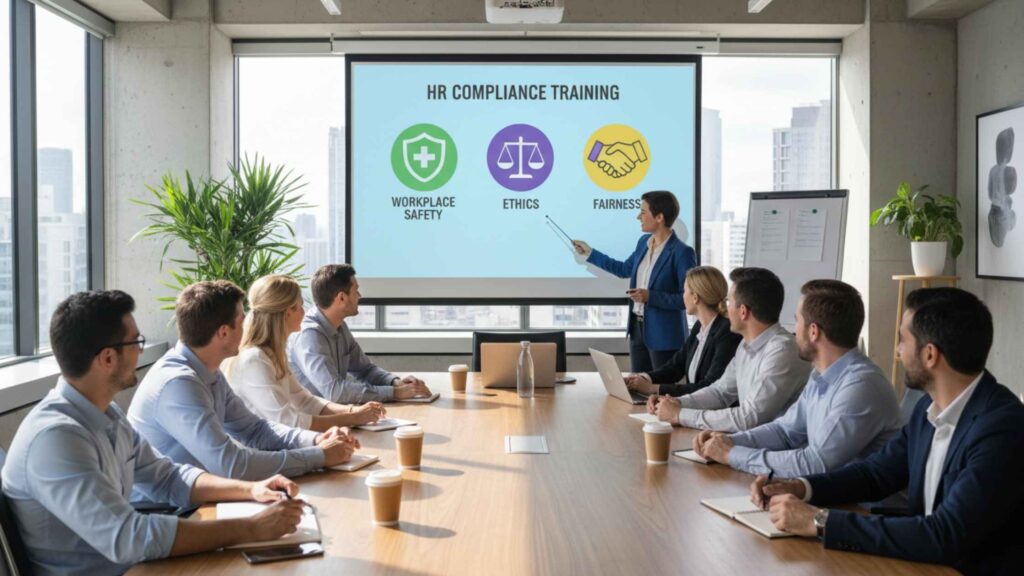
Over 70% of organizations report measurable operational risk reduction after structured compliance training. This single statistic highlights the powerful hr compliance training benefits that forward-thinking companies now prioritize. In the United States, regulatory scrutiny continues to intensify across industries. Employment laws evolve quickly. Federal, state, and local mandates shift with court rulings and agency updates.
Benefits of HR Compliance Training for Employers and Employees Read More »
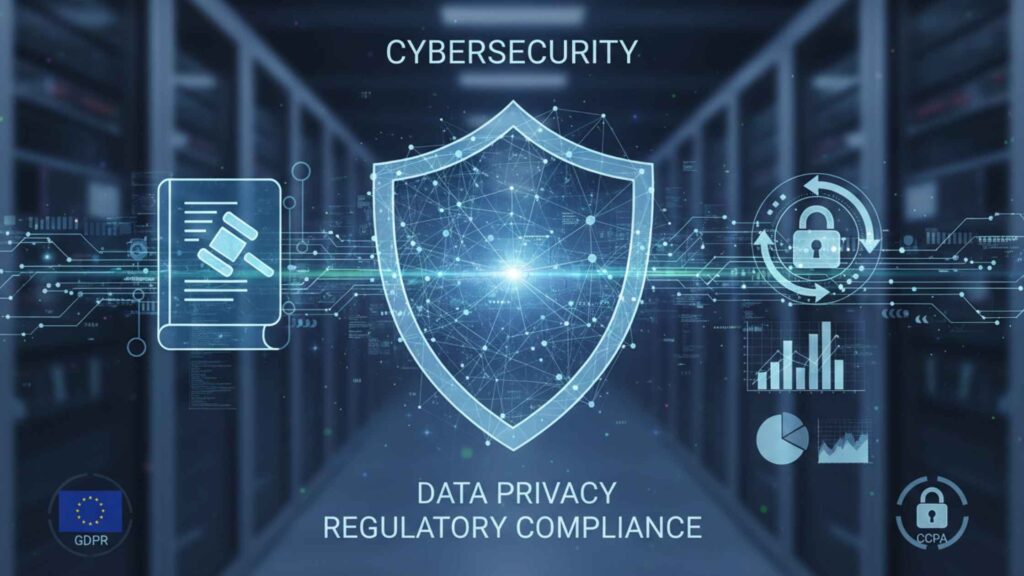
According to IBM’s Cost of a Data Breach Report, the average US breach exceeds $9 million. That statistic alone defines the urgency of cybersecurity compliance. Regulatory scrutiny is rising. Enforcement actions are accelerating. Financial and reputational losses are now unavoidable without structured compliance training. Cybersecurity & data privacy regulatory compliance is no longer an IT-only
Cybersecurity & data privacy regulatory compliance Read More »
According to industry research, more than 70% of organizations report measurable risk reduction after structured compliance training. That statistic alone answers a pressing question for U.S. businesses: what is compliance in business, and why does it matter so much today? Compliance is not a bureaucratic burden. It is a business safeguard. It protects revenue, reputation,
What Is Compliance? Definition, Basics & Tips To Get Started Read More »
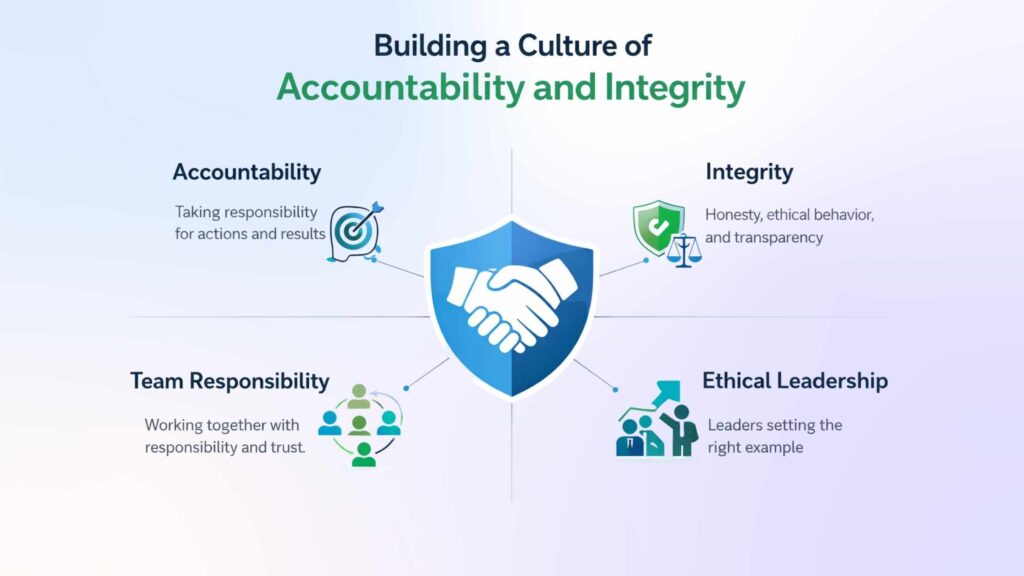
More than 70% of organizations report reduced operational risk after structured compliance training adoption. This statistic underscores one truth. A strong compliance culture drives measurable business results. Companies that invest in accountability and ethics outperform peers in risk management, employee retention, and stakeholder trust. Yet many U.S. organizations struggle to sustain a culture of accountability.
Building A Culture Of Accountability And Integrity Read More »
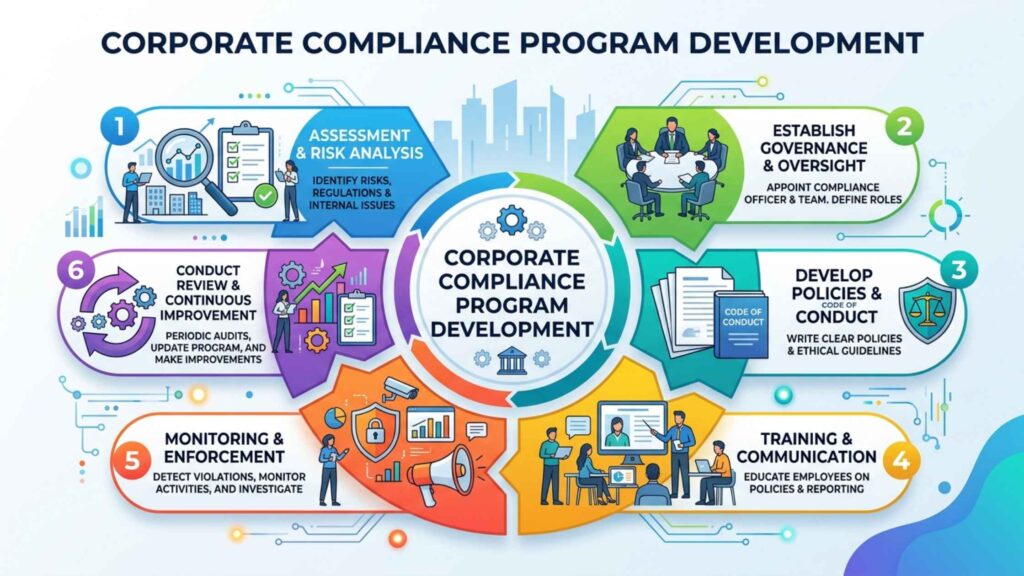
Over 70% of organizations report measurable risk reduction after implementing structured compliance training programs. This statistic underscores a clear truth. A well-designed compliance program is not optional. It is mission-critical for U.S. businesses operating in regulated industries. Corporate compliance program development determines whether your organization thrives or struggles under regulatory scrutiny. In today’s enforcement climate,
Corporate compliance program development for U.S. organizations Read More »
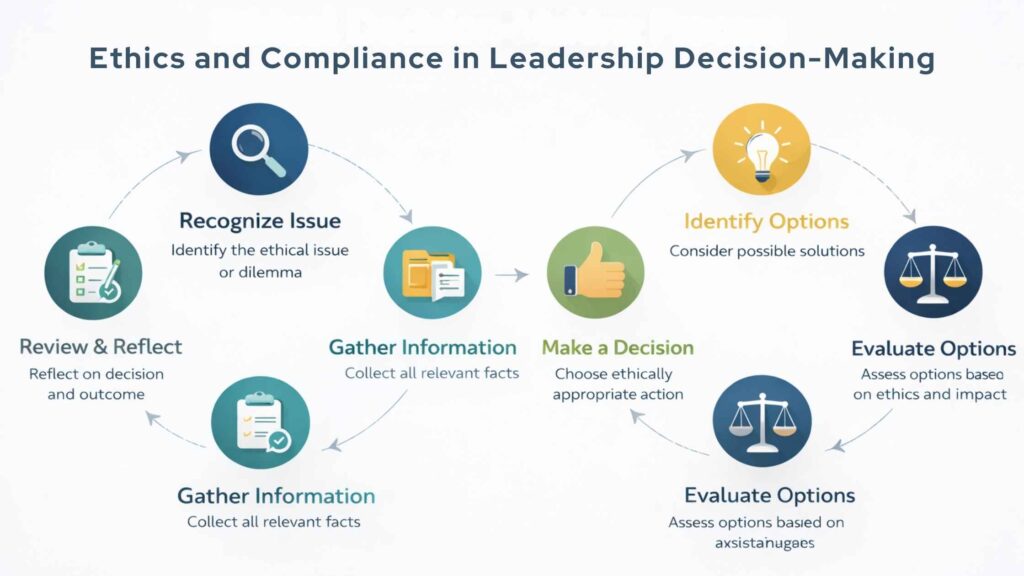
According to industry research, more than 70% of organizations report measurable risk reduction after structured compliance training. That statistic speaks volumes about the power of ethics and compliance in leadership decision-making. When leaders prioritize integrity, risk exposure declines and trust increases. Yet many executives still struggle to align strategy with compliance requirements for business. They
Ethics And Compliance In Leadership Decision-Making Read More »
According to industry research, over 70% of organizations report measurable risk reduction after implementing structured compliance training programs. That statistic alone shows why compliance requirements for business are no longer optional. They are mission critical. In the United States, regulatory oversight continues to expand. Federal agencies, state regulators, and industry bodies expect documented compliance with
Compliance requirements for businesses in the United States Read More »
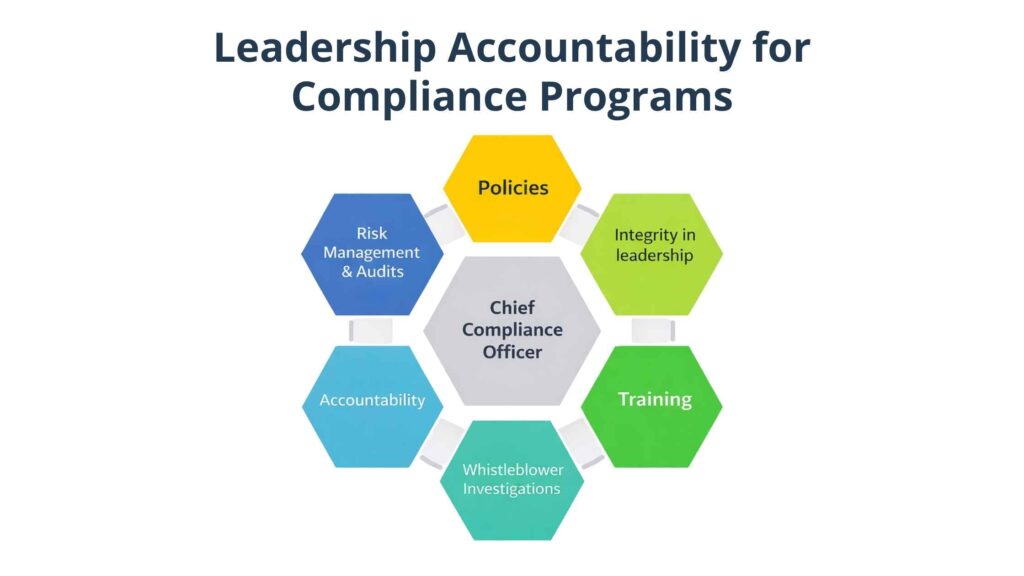
More than 70% of organizations report reduced operational risk after structured compliance training. Yet enforcement actions still cite weak leadership accountability as a root cause. Regulators do not penalize systems alone. They hold executives and boards personally responsible. Leadership accountability is no longer a best practice. It is a regulatory expectation. Federal agencies, including the
Leadership accountability for compliance programs Read More »

According to the U.S. Sentencing Commission, organizations with an effective compliance and ethics program may receive reduced penalties after federal violations. This alone highlights the measurable purpose of corporate compliance program in the United States. Federal enforcement agencies consistently reward companies that demonstrate structured oversight, documented training, and proactive risk management. Yet many executives still
According to industry research, more than 70% of organizations report measurable risk reduction after implementing structured compliance training programs. That statistic reflects a powerful truth. Ethical leadership and accountability in compliance are no longer optional. They are strategic imperatives for U.S. organizations operating in a high-enforcement environment. Federal agencies are increasing scrutiny. Whistleblower protections are
Ethical leadership and accountability in compliance Read More »
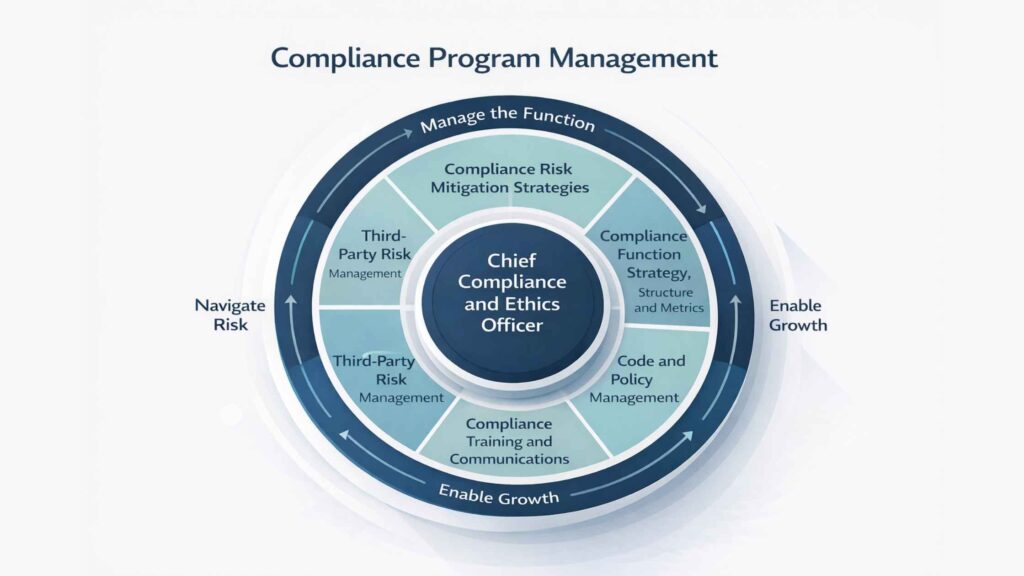
According to widely reported global enforcement data, regulatory penalties across industries have crossed billions of dollars annually, with non-compliance costing organizations not only financially but reputationally. These staggering figures highlight one unavoidable reality: Compliance Program Responsibilities are no longer optional administrative tasks—they are mission-critical business functions. Organizations that fail to implement and actively manage a
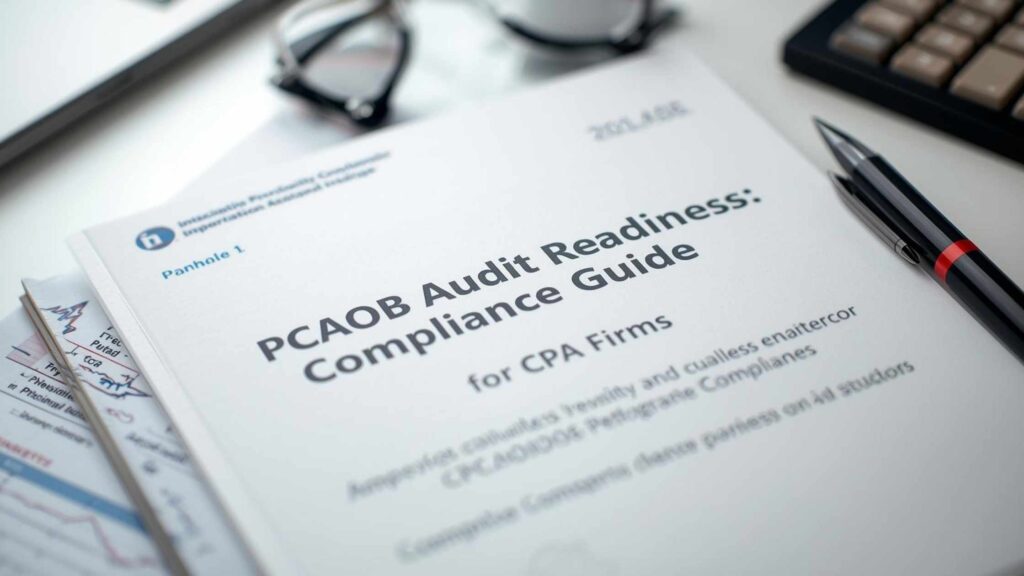
According to public inspection reports issued by the Public Company Accounting Oversight Board, a significant percentage of inspected audit engagements continue to contain deficiencies each year. For CPA firms, that statistic is not abstract. It signals real exposure. PCAOB audit readiness is no longer optional. It is central to survival in the public company audit
PCAOB audit readiness: Compliance guide for CPA firms Read More »

According to IBM’s 2023 Global AI Adoption Index, over 35% of companies worldwide actively use AI in their operations. In the United States, adoption continues to rise across finance, healthcare, HR, and manufacturing. As artificial intelligence reshapes decision-making, AI regulatory compliance has become a board-level priority. Regulators are moving quickly. Enforcement agencies are scrutinizing algorithms,
AI regulation & the future of regulatory compliance Read More »
According to data published by the U.S. Department of Health and Human Services, HIPAA-related penalties have crossed billions of dollars since enforcement began. This reality places healthcare regulatory compliance at the center of operational survival. Organizations that underestimate compliance risk often face fines, audits, and reputational loss. This is why structured, expert-led training has become
Healthcare regulatory compliance & HIPAA requirements Read More »
Audit documentation failures remain a leading cause of regulatory findings. Public inspection reports show documentation gaps in over 40 percent of reviewed audits. These gaps directly impact audit quality and firm credibility. Audit documentation requirements are not optional safeguards. They are enforceable professional obligations under U.S. auditing standards. Accounting firms face real exposure when documentation
Audit documentation requirements for accounting firms Read More »
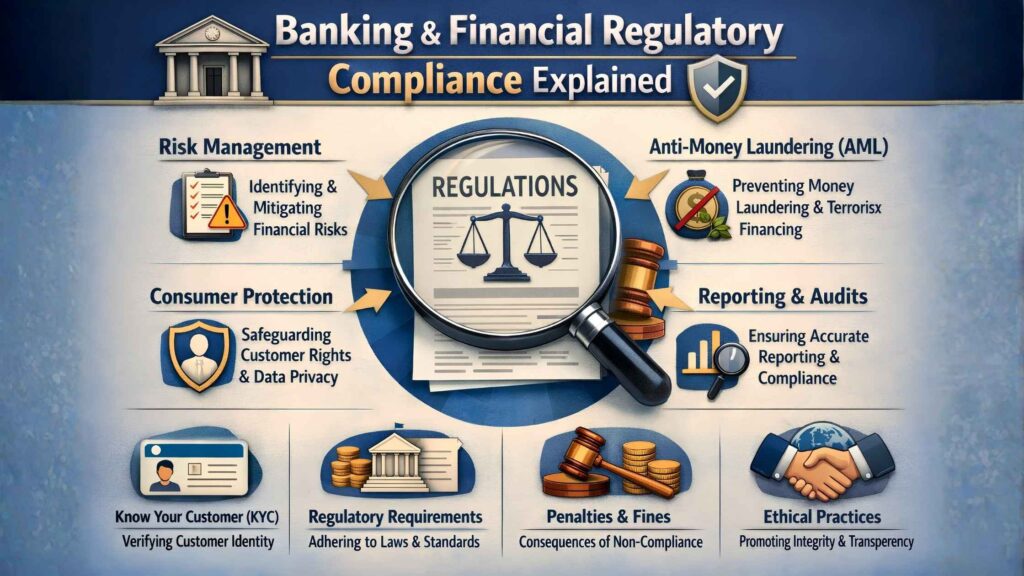
According to public enforcement data, U.S. regulators have issued billions in fines related to banking regulatory compliance failures over the last decade. This reality underscores one truth. Compliance gaps are costly. They are also preventable. For financial institutions operating in the United States, regulatory compliance is not an abstract obligation. It is an operational mandate.
Banking & Financial regulatory compliance explained Read More »
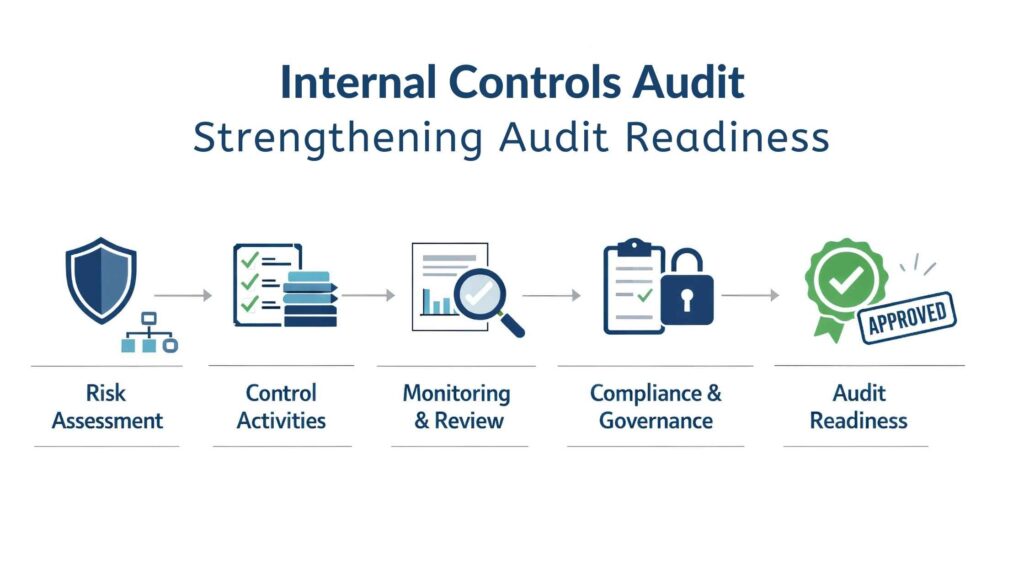
Public studies show a clear pattern. Organizations with mature internal controls audit programs report fewer material audit findings. One widely cited industry survey notes risk incidents drop by over 30 percent after controls mature. That statistic alone explains the renewed focus on audit readiness. Audit readiness is no longer seasonal. It is continuous, measurable, and
Internal controls audit: Strengthening audit readiness Read More »
According to public enforcement data from U.S. regulators, organizations spend billions annually addressing compliance failures. Much of this cost stems from weak regulatory compliance reporting practices. When reporting fails, penalties, audits, and reputational damage follow quickly. Regulatory oversight in the United States continues to intensify. Agencies demand transparency, traceability, and documented accountability. This reality places
Regulatory compliance reporting: types, process and best practices Read More »
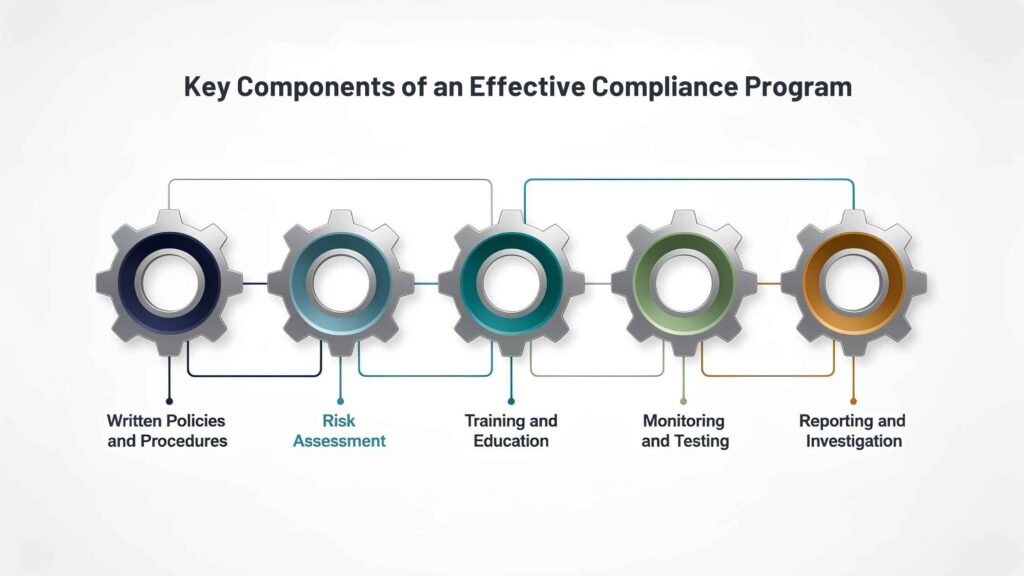
According to publicly available industry studies, organizations with a formal compliance program are up to 60% less likely to face significant regulatory penalties. This statistic alone explains why compliance leaders across the United States are rethinking how they design, implement, and sustain compliance frameworks. An effective program does more than satisfy regulators. It protects reputation,
Key components of an effective compliance program Read More »
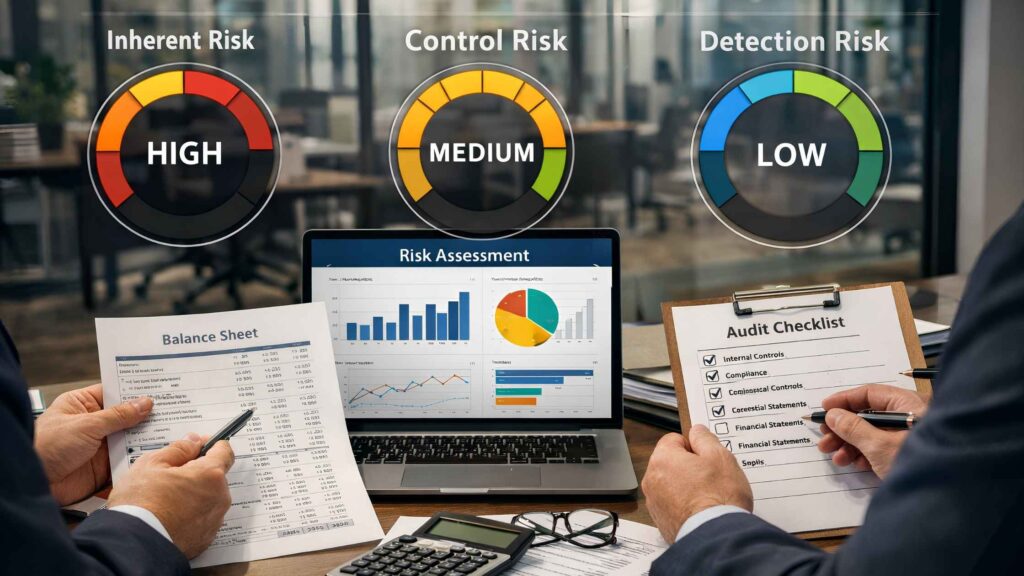
More than 60% of audit deficiencies cited by U.S. regulators relate to weak audit risk assessment practices. This statistic alone highlights why accounting firms cannot treat risk evaluation as a checklist exercise. In today’s enforcement-heavy environment, audit quality is judged by how well risks are identified, documented, and addressed. Audit failures do not usually stem
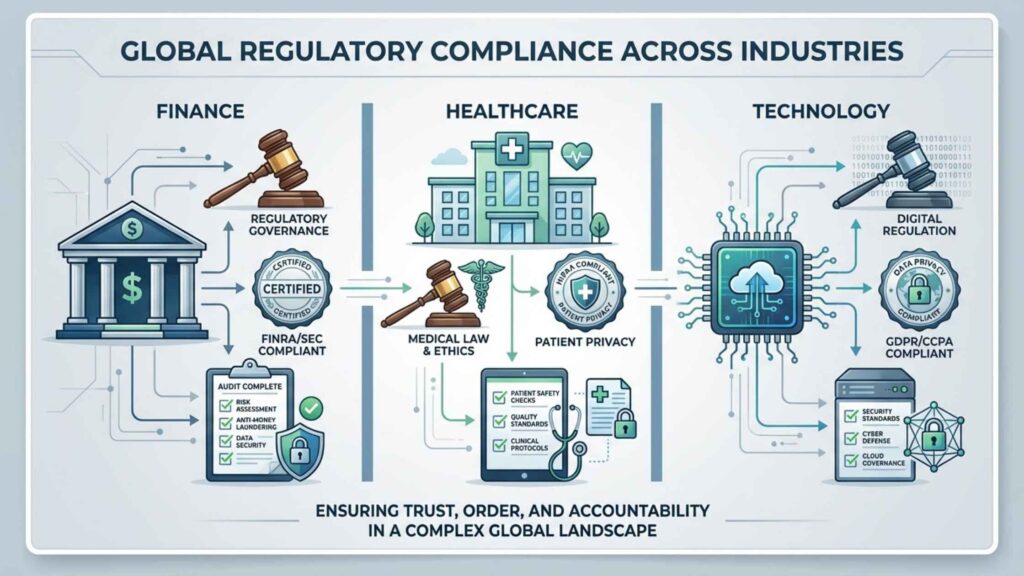
More than 60% of U.S. companies faced compliance-related fines in recent years. This statistic highlights why regulatory compliance examples matter today. Organizations cannot afford guesswork in regulated environments. Clear guidance and expert training now define business resilience. This article explains how compliance works in practice across industries. It focuses on real-world regulatory compliance examples from
Regulatory compliance examples across key industries Read More »
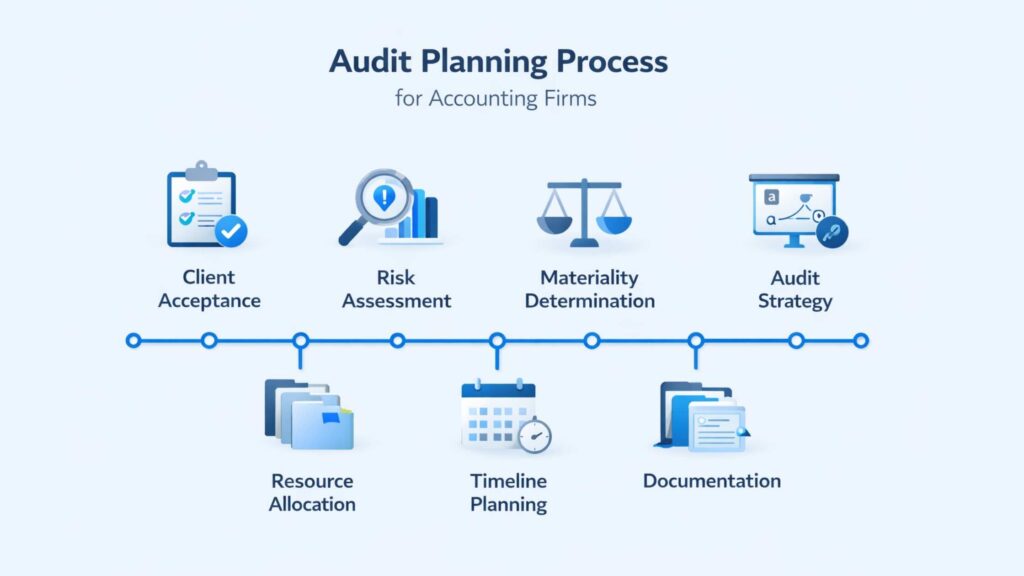
Studies published by professional accounting bodies consistently show that more than 60% of audit deficiencies trace back to weak planning decisions made before fieldwork begins. This single statistic explains why the audit planning process remains the most critical phase of any assurance engagement. For accounting firms across the United States, effective planning is no longer
Step-by-step audit planning process for accounting firms Read More »

According to public AICPA data, audit deficiencies remain a top regulatory concern. Peer reviews identify preparation gaps as a recurring cause. A structured audit preparation checklist reduces audit risk significantly. It also improves consistency across engagements. For U.S. accounting firms, audit readiness is not seasonal. It is a continuous operational discipline. Firms that treat preparation
Audit preparation checklist for U.S. accounting firms Read More »
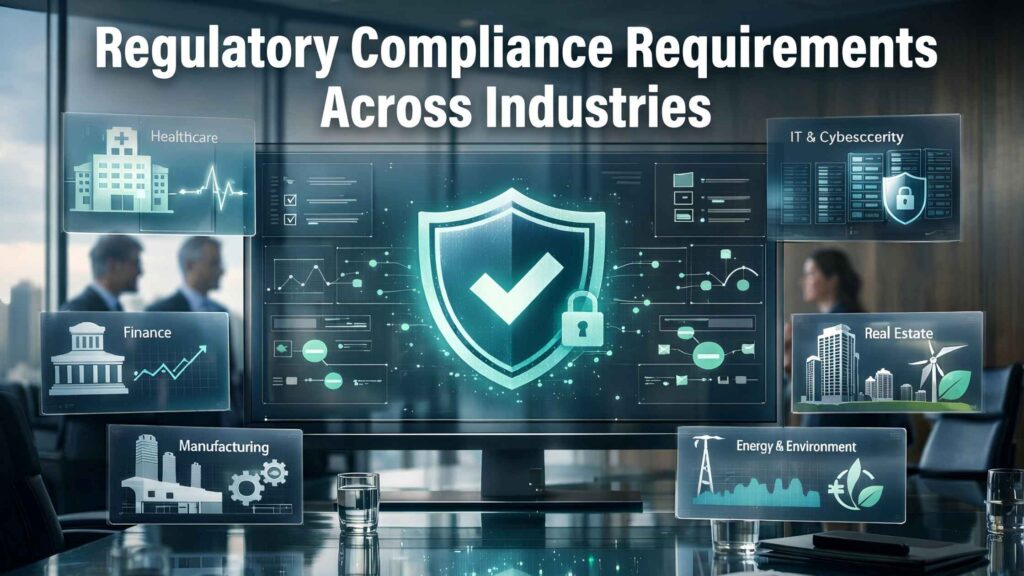
Regulatory compliance requirements affect every regulated business in the United States. Public studies show compliance failures cost U.S. firms billions annually. The average large organization now manages hundreds of regulatory updates yearly. This scale explains why structured compliance training has become mission critical. Organizations that ignore compliance exposure face fines, audits, and reputational damage. Risk
Regulatory compliance requirements across industries Read More »
A recent PwC Global Compliance Survey found that training is the most common compliance activity supported by technology, with 82% of respondents using technology for training. That data point makes one thing clear: if your organization treats compliance training like a checkbox, you are already behind. In the U.S., regulators do not accept “we didn’t
What is regulatory compliance? Meaning, scope & importance Read More »
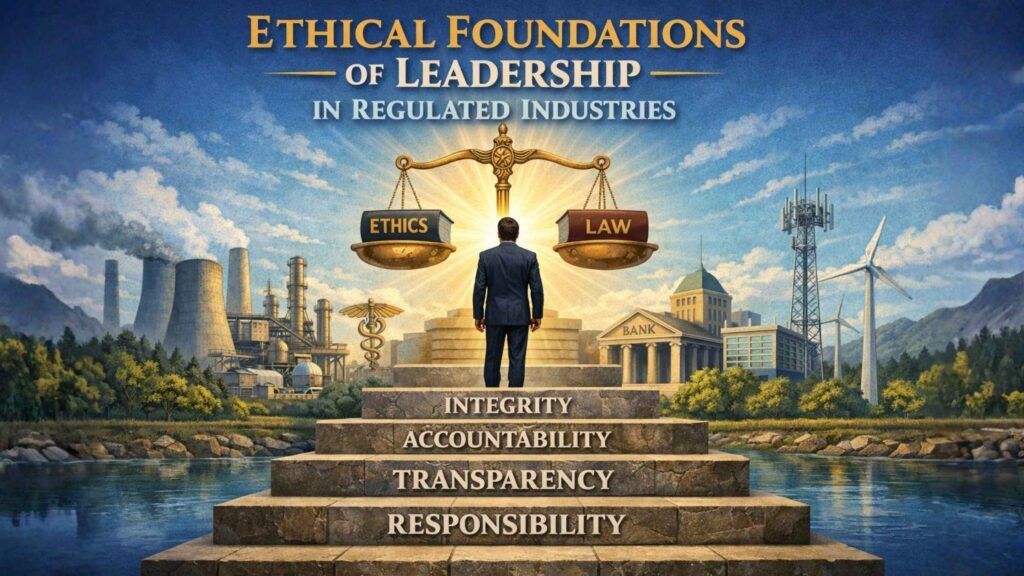
More than 70% of organizations report a measurable reduction in operational risk after adopting structured compliance training programs. That statistic is a wake-up call for every executive who leads inside regulated environments. Ethical slip-ups rarely begin as scandals. They start as “small exceptions.” Then they become a pattern. In regulated sectors, patterns become violations. If
Ethical foundations of leadership in regulated industries Read More »

According to public FDA enforcement data, thousands of warning letters are issued each year. Many citations reference training gaps and weak compliance controls. FDA compliance webinars address this risk with focused, expert-led education. Organizations that invest in structured FDA training reduce audit findings significantly. Industry studies show compliance training lowers regulatory risk by over 60

Over 70% of investors say ESG and sustainability should be part of a company’s core business strategy. That investor expectation is now reshaping board agendas, executive accountability, and disclosure standards across the United States. Yet many organizations still treat ESG as a “reporting project.” That approach is risky. ESG is not a marketing layer. It
ESG in corporate governance: What boards must do now Read More »
Compliance training is important because it lowers risk, protects revenue, and builds trust. It gives your workforce clear rules and real examples for daily decisions. Recent research shows that over 70% of organizations reduce operational risk after structured programs. Yet many U.S. companies still treat training as a yearly checkbox exercise. One recent study found
Why Compliance Training is Important For Every Organization Read More »

Since 2011, federal regulators report billions returned to consumers for disclosure failures. That reality makes truth in lending compliance a board-level priority. Banks that lag face penalties, restitution, and reputational harm. What is the Truth in Lending Act and why it matters? The Truth in Lending Act protects borrowers through clear credit disclosures. It standardizes
Truth in Lending Act (TILA) & HMDA Compliance for Banks Read More »

More than 70% of organizations report lower operational risk after adopting structured compliance training. That advantage compounds over time. Trained teams prevent issues, protect culture, and elevate performance. This is where TheComplyGuide helps. We deliver expert-led, paid webinars. Each session targets practical compliance skill building. Attendees also receive access to the recording. Content is designed
HR compliance training courses for career development Read More »
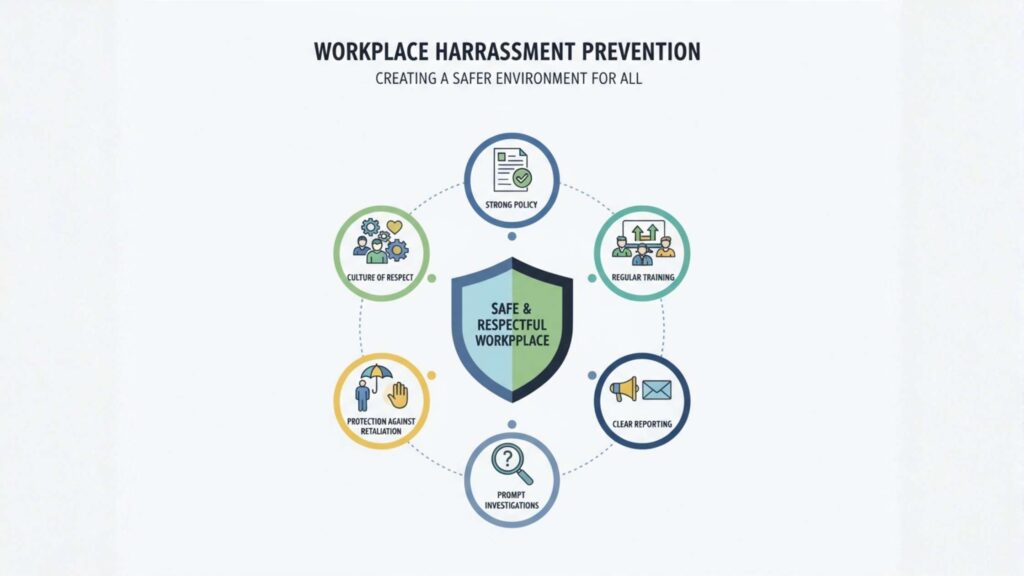
According to recent research, poorly handled internal investigations contribute to up to 60% of legal claims related to harassment and discrimination in US workplaces. This stark statistic underscores why robust Internal investigations & workplace harassment prevention systems are no longer optional but essential for every organization that wishes to safeguard its people and reputation. TheComplyGuide
Internal Investigations & Workplace Harassment Prevention Read More »
Compliance training is one of the most powerful risk controls a business can deploy. Yet research shows that only a small percentage of employees feel this training changes their daily behavior in a meaningful way. That gap between effort and impact is where TheComplyGuide steps in. When training is expert-led, industry-specific, and aligned to real
The Complete Guide to Compliance Training for Businesses (2026) Read More »

OSHA employee rights are the legal protections that allow U.S. workers to report hazards, request safe working conditions, and receive required training—without fear of retaliation. To understand the scale of why these protections matter, OSHA’s Whistleblower Protection Program data shows that the OSHA statute received 2,309 docketed whistleblower cases in FY2023. That number alone is
More than 70% of organizations report a measurable reduction in operational risk after adopting structured compliance training programs. That statistic alone shows how powerful targeted compliance learning can be when it is thoughtfully designed and consistently delivered. For U.S. businesses operating in heavily regulated environments, the stakes are high. Regulatory requirements change quickly. Enforcement actions
Compliance Training Programs: How to Build Effective Learning Modules Read More »
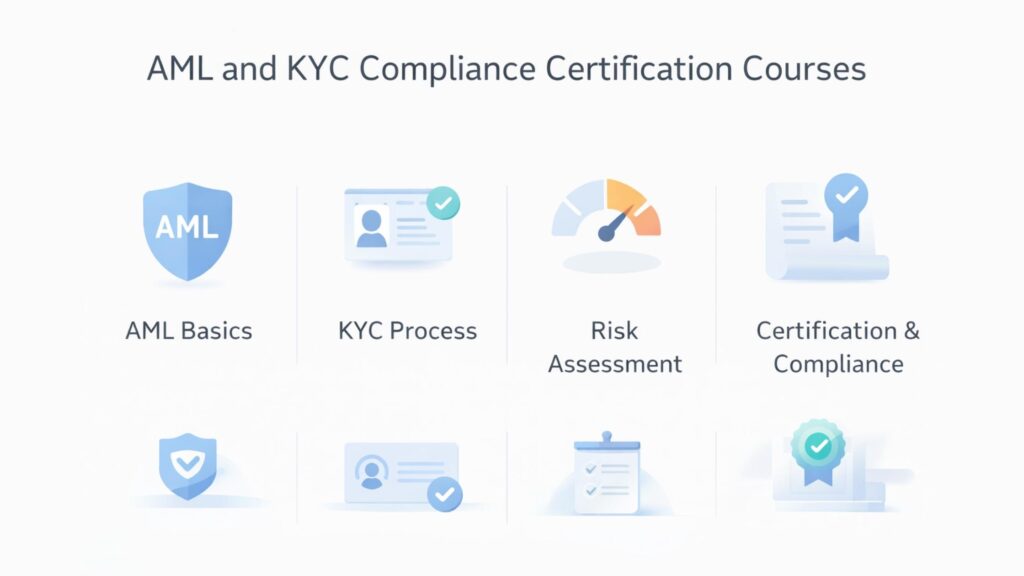
According to public enforcement data, US regulators issue billions in AML penalties annually. This statistic alone explains why AML and KYC compliance certification courses matter today. Financial institutions face relentless scrutiny from federal and state regulators. Failure invites penalties, remediation costs, and reputational erosion. TheComplyGuide addresses this risk with expert-led, paid compliance webinars. These sessions

Financial statement analysis and ratio reporting is how finance teams convert raw numbers into decisions that protect cash, strengthen compliance, and prevent reporting surprises. A widely-cited PwC global survey found 41% of CFOs lack confidence in their organization’s financial forecasting. That uncertainty is expensive. It drives avoidable budget misses, board tension, and control failures.

AML training for insurance & estate agents is the fastest way to reduce exposure to financial crime. It helps professionals detect red flags, document decisions, and respond correctly to suspicious activity. Industry sources estimate that $80–$100 billion is laundered annually through insurance, mostly through life insurance. That number alone explains why regulators expect stronger controls

IFRS is no longer “international” in name alone. Today, IFRS Accounting Standards are required in more than 140 jurisdictions worldwide, making them one of the most widely used financial reporting frameworks on the planet. For finance teams operating in global supply chains, cross-border funding, or M&A-heavy markets, that reach matters. If your organization touches international
FBAR Reporting & Compliance Online is not just a tax-adjacent task. It is a federally mandated reporting obligation that can expose U.S. persons to significant civil penalties if mishandled. Here’s the wake-up call: public reporting indicates that more than 1.4 million FBARs have been filed in a single year. That number is not small. It
Financial institutions do not lose trust slowly. They lose it suddenly. It usually happens after a failed exam, a regulatory finding, or an avoidable enforcement issue. That is why Banking and Financial Services Compliance Webinars have become a core strategy for modern compliance programs—especially as institutions manage overlapping federal and state expectations. A widely
Banking and financial services compliance webinars Read More »

Here’s the honest truth: most business owners don’t lose money because they lack hustle. They lose money because they don’t see the warning signs early enough. One widely cited business reality underscores why this topic matters: cash flow problems are a leading cause of small business failure. When revenue, costs, and margins are unclear, decisions

More than 70% of U.S. organizations report a measurable reduction in operational and regulatory risk after implementing structured compliance learning programs. This compelling statistic reflects a national shift: businesses now recognize that training is not merely an obligation—it is one of the most powerful mechanisms to strengthen integrity, accountability, and internal controls. At TheComplyGuide, we
Compliance Learning: Building a Culture of Integrity and Accountability Read More »
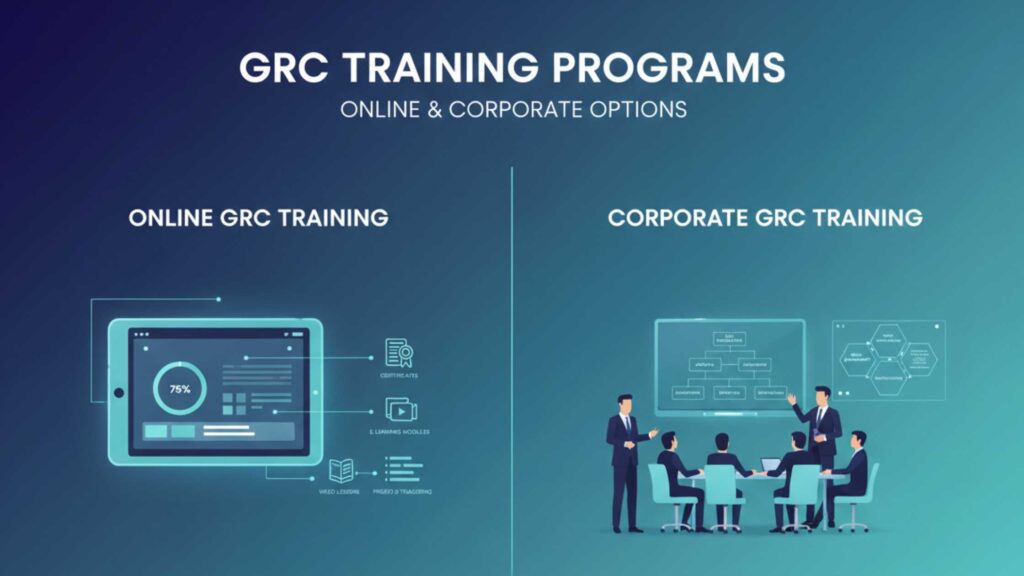
According to widely cited industry research, more than 70% of organizations report reduced operational risk after structured GRC training programs. That statistic alone explains why GRC training programs: Online & corporate options have become a board-level priority across the United States. Regulatory expectations continue to tighten. Enforcement actions now move faster. Penalties are steeper. Organizations
GRC training programs: Online & corporate options Read More »
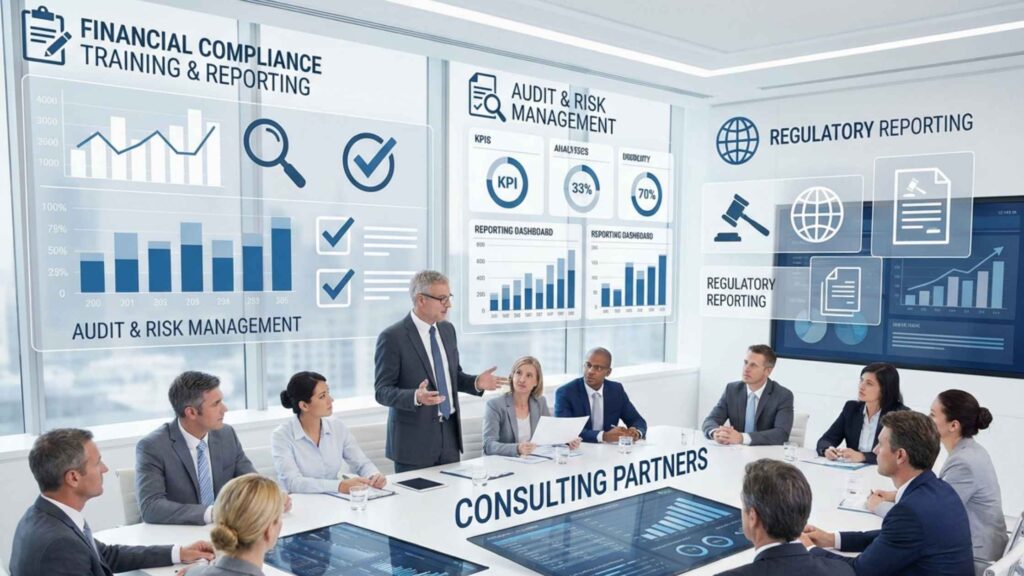
Financial compliance training has become a top priority for U.S. organizations. According to public regulatory studies, compliance failures cost businesses billions each year. These losses stem from penalties, remediation costs, and damaged investor trust. This reality explains why structured financial compliance training now drives governance strategies. Organizations that delay compliance education face growing operational exposure.
Financial compliance training & reporting insights Read More »

Strong corporate governance & ethics programs are no longer optional in the United States. According to public enforcement data, organizations with formal governance frameworks report up to 30% fewer compliance failures. This single statistic explains why boards and executives now prioritize governance education. TheComplyGuide delivers expert-led learning experiences that help organizations close governance gaps. Our

What is the impact of structured risk and compliance training on organizations? Studies cited widely in the US compliance community show that more than 70% of organizations experience measurable reductions in regulatory incidents after implementing formal programs. This statistic highlights why risk and compliance training is now a strategic priority. Regulatory pressure continues to intensify
Risk and compliance training courses for professionals Read More »

What is ethics and compliance officer training programs, and why does it matter now? Effective programs prepare leaders to guide organizations through complex U.S. regulations. According to public enforcement data, organizations with formal compliance training report fewer violations. A widely cited industry benchmark shows risk reductions exceeding 30 percent after structured programs. This statistic highlights
Ethics and compliance officer training programs explained Read More »
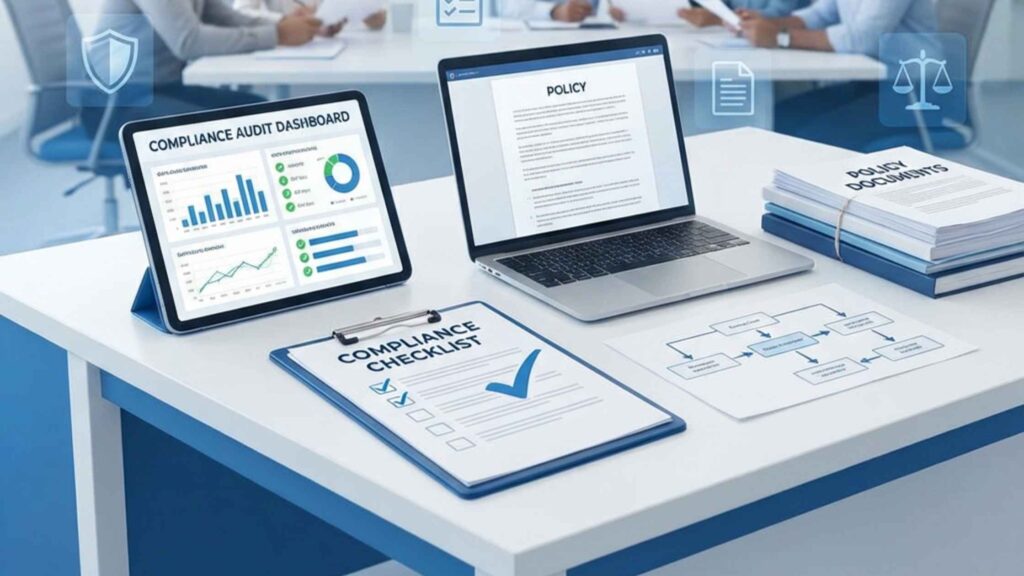
According to publicly cited enforcement data from U.S. regulators, organizations with documented compliance programs experience significantly fewer enforcement actions during audits. A well-executed corporate compliance audit is now viewed as a business necessity, not an administrative exercise. This reality explains why compliance leaders increasingly seek structured guidance, expert training, and proven frameworks. The regulatory environment

According to public enforcement data, over 70% of organizations reduce regulatory risk after structured compliance leadership programs. This statistic underscores why compliance leadership now defines organizational resilience in the United States. Compliance failures trigger penalties, consent decrees, and reputational harm. Strong leadership prevents these outcomes before regulators intervene. This is where TheComplyGuide delivers unmatched value.
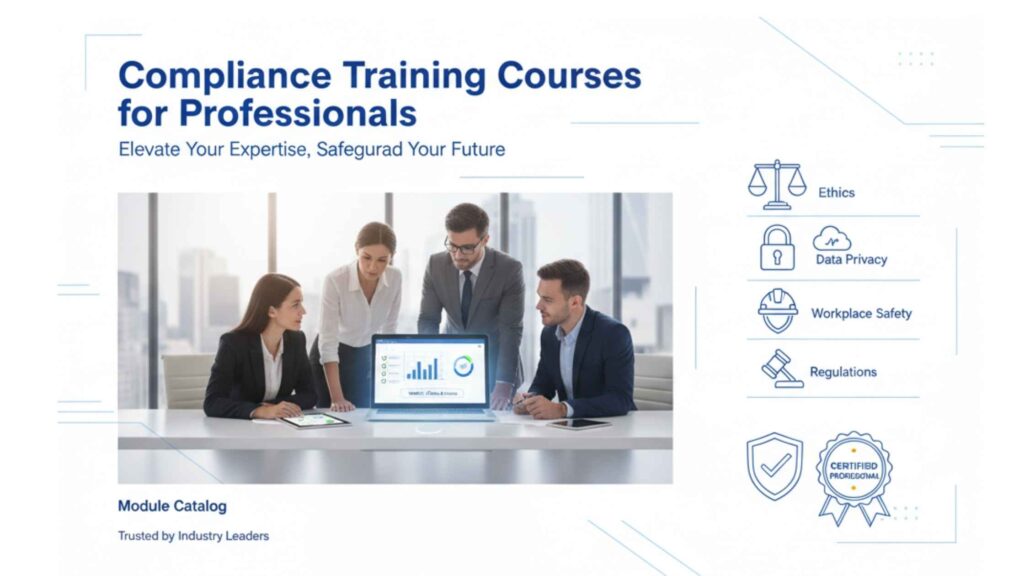
According to a recent industry study, more than 70% of organizations report measurable improvements in risk management after implementing structured compliance training programs. This statistic highlights why compliance online training is essential for US businesses and professionals who must stay compliant with evolving regulatory standards while ensuring teams are current with best practices. In today’s
Corporate compliance online training: Learn anytime, anywhere Read More »

According to a recent industry report, over 70% of organizations experience measurable improvement in operational risk metrics after implementing structured regulatory compliance training courses. That data underscores the critical impact of robust compliance education. In an era defined by rapid regulatory change, U.S. businesses must stay ahead of enforcement trends, risk exposures, and compliance expectations.
Regulatory compliance training courses for businesses Read More »
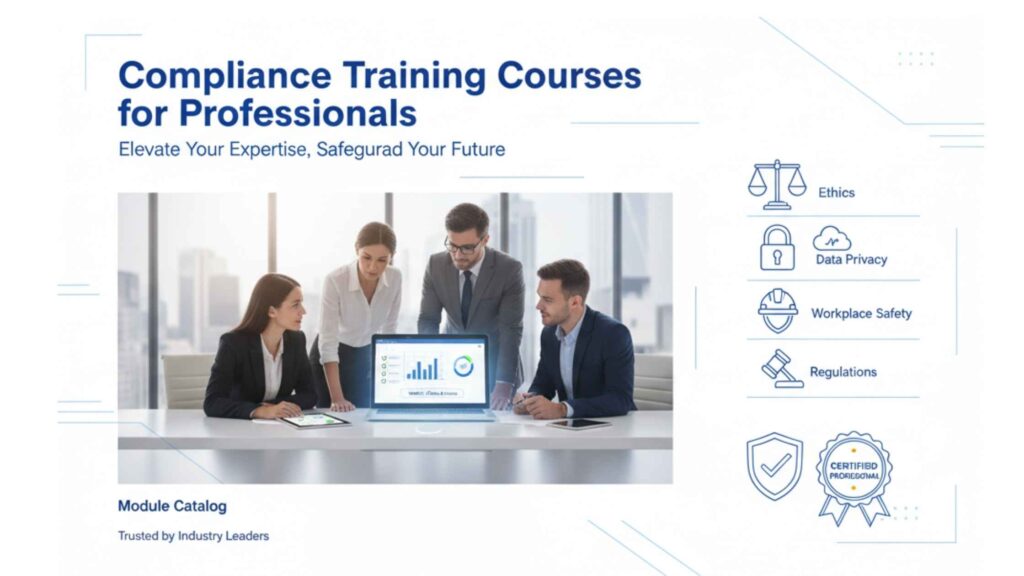
More than 70% of organizations report reduced operational risk when they adopt structured compliance training programs. This shows the impact of well-built learning experiences. TheComplyGuide offers expert-led regulatory compliance training programs designed to help companies maintain legal integrity and operational continuity. These programs align with modern industry expectations and evolving regulatory demands. What are
According to recent U.S. industry research, over 70% of organizations report measurable risk reduction after implementing structured corporate compliance training. This striking statistic highlights a truth few businesses can ignore: the cost of noncompliance is rising, and organizations that fail to educate their teams fall behind fast. TheComplyGuide delivers expert-led programs designed for these realities.
Corporate Compliance Training Programs: Your Complete Guide Read More »
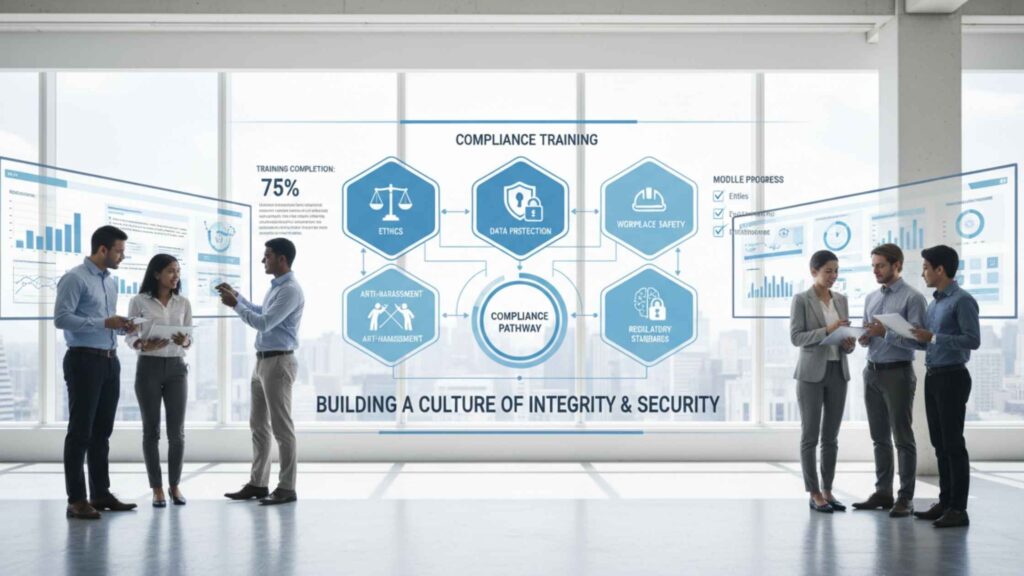
What is the immediate value of skilled compliance training providers? Structured training lowers risk and builds audit readiness fast.Studies show many organizations report measurable improvement after training.Industry reports indicate that about 70% of organizations gain significant operational benefits from structured compliance programs. TheComplyGuide designs paid webinars led by regulatory veterans.Our webinars deliver practical skills
Compliance Training Providers: Top Resources & Insights Read More »
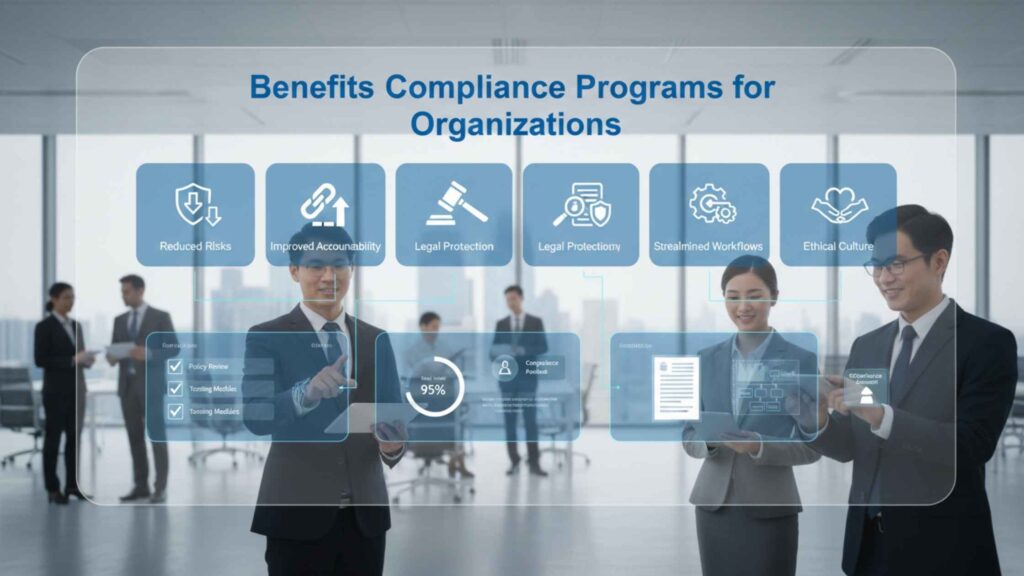
More than 70% of U.S. organizations report a measurable reduction in operational risk after implementing structured compliance programs. This single statistic demonstrates the significant benefits of compliance programs for organizations in today’s dynamic regulatory environment. When employees understand the rules, leaders understand the risks, and systems reinforce accountability, organizations become resilient, trustworthy, and better equipped
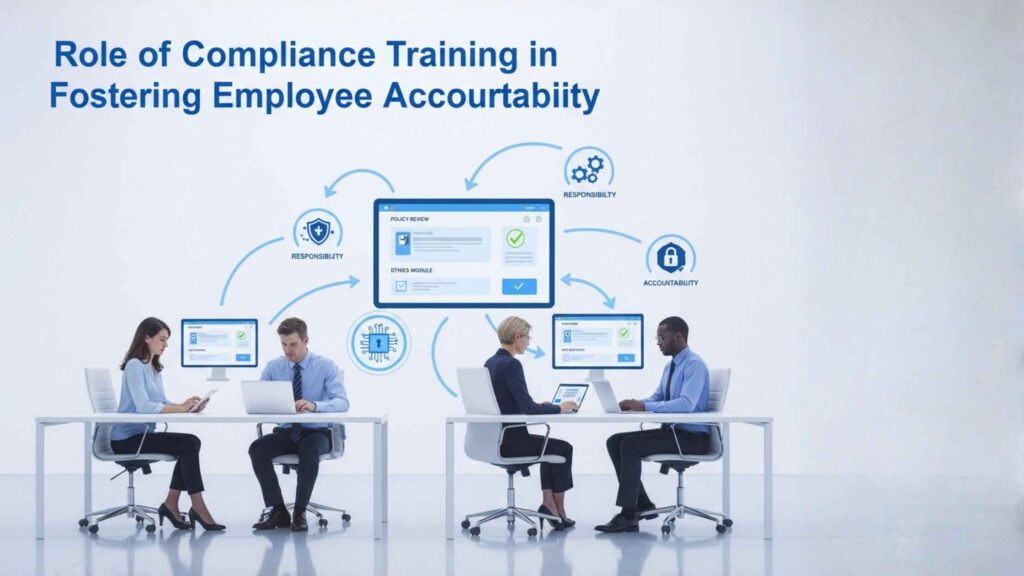
More than 70% of organizations in the United States report a measurable reduction in operational risk after adopting structured compliance training programs. This statistic underscores the growing importance of accountability frameworks at a time when enforcement actions, audit scrutiny, and heightened regulatory expectations are reshaping how businesses operate. TheComplyGuide meets this rising need by delivering
Role of Compliance Training in Fostering Employee Accountability Read More »
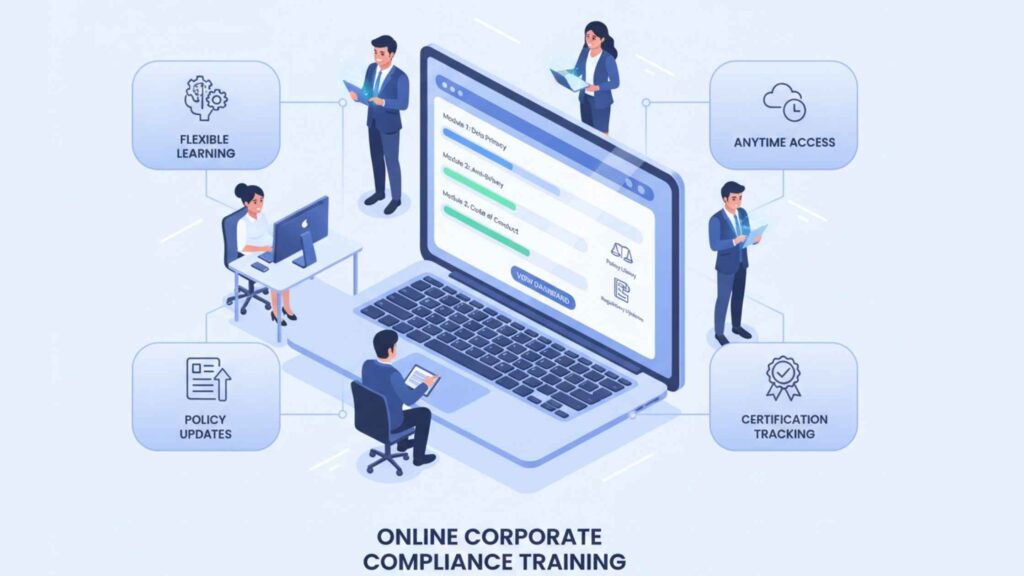
Online corporate compliance training helps teams learn regulatory responsibilities with flexibility and speed. It provides structured and expert-led learning without interrupting operations. A recent study shows that over 70% of organizations reduce operational risk after adopting formal compliance programs. This statistic demonstrates the growing urgency for strong and scalable compliance education. TheComplyGuide delivers this education
Online Corporate Compliance Training: Flexible Learning for Teams Read More »
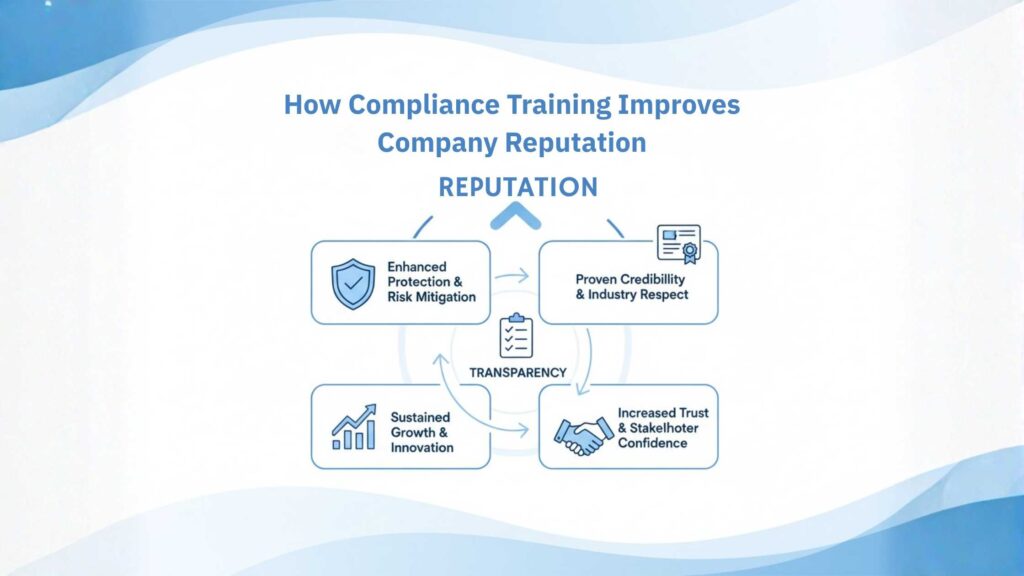
Compliance training improves company reputation by proving that ethics are lived, not claimed. It reduces violations, improves culture, and reassures every stakeholder group. Recent global research shows that 77% of C-suite leaders now view compliance as a strategic contributor to business objectives, not a back-office expense.Yet many U.S. organizations still lack a structured training plan.
How Compliance Training Improves Company Reputation Read More »

Adoption of AI across workspaces is happening at a furious rate and the professional landscape is undergoing a paradigm shift. Organizations and departments are reporting a positive synergy between humans and agentic AI leading to increased productivity and business outcomes, and, as predicted, a reduced need for human/ manual resources. But, leaders at many of
Shift to AI happening… and it is creating new jobs! Read More »

Navigating the world of banking involves more than just handling money. It’s also about adhering to a complex web of laws and regulations designed to maintain the integrity of the financial system. Let’s break down the essentials of regulatory compliance in banking in a way that’s easy to understand. What is Regulatory Compliance in Banking?
Regulatory Compliance in Banking: Laws and Guidance Read More »

Cybersecurity Compliance Made Simple Welcome to Cybersecurity Compliance 101, where keeping your company’s data safe is as important as keeping your favorite snacks away from office pranks! In this guide, we’ll break down the essentials of cybersecurity compliance in a way that’s easy to understand, engaging, and fun. Whether you’re a seasoned pro or just
Cybersecurity Compliance 101: Everything You Need to Know Read More »

Compliance Reporting Software: Your Company’s Secret Weapon for Staying Out of Trouble In today’s fast-paced business world, keeping up with all the rules and regulations can feel like a never-ending task. That’s where compliance reporting software comes in. Think of it as your company’s secret weapon for staying compliant and avoiding legal headaches. Let’s explore
Compliance Officers: Your Company’s Shield Against Legal Trouble In today’s fast-paced world, not breaking the law becomes critical for every organization. In such a scenario, a compliance officer now assumes this responsibility. The following are simple definitions of the roles they perform as well as an examination of their various duties. Keeping Up with the

The life sciences industry is witnessing a revolution driven by Artificial Intelligence (AI), particularly the emergence of generative AI tools. These tools can create entirely new content, from realistic images to complex documents – a capability with immense potential. But how does this burgeoning technology impact compliance with regulations like CFR Part 11 and Annex
The Rise of Generative AI:A Double-Edged Sword for CFR Part 11 & Annex 11 Compliance Read More »