
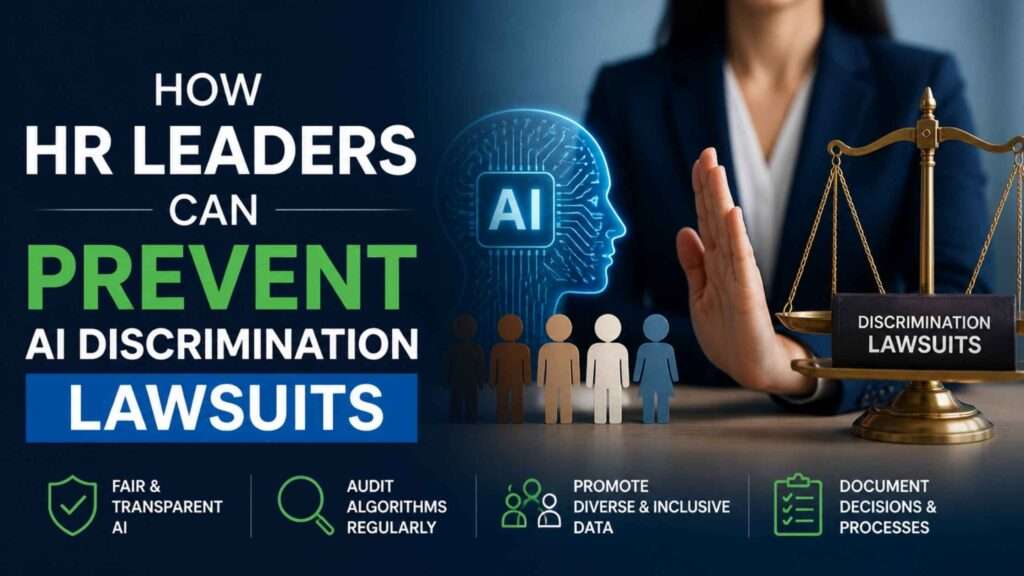
How can HR leaders prevent costly AI discrimination lawsuits in today’s evolving legal landscape? The answer lies in proactive risk management, robust compliance training, and a clear understanding of emerging regulatory expectations.
According to the Equal Employment Opportunity Commission (EEOC), over 80,000 discrimination charges were filed in fiscal 2023, with an increasing number involving automated hiring and artificial intelligence (AI) tools (EEOC Enforcement Data, 2023). This surge highlights not only heightened regulatory scrutiny of AI in employment but also a growing legal risk for organizations relying on algorithmic decision-making in recruitment and HR.
This guide explains how HR leaders in the United States can prevent AI discrimination lawsuits by developing effective recruitment discrimination prevention strategies, mitigating AI employment litigation, and addressing HR legal risk—leveraging the expert-led compliance training offered by TheComplyGuide.
Understanding AI Discrimination Lawsuits in HR
An AI discrimination lawsuit is a legal action alleging that an employer’s use of artificial intelligence tools resulted in unlawful bias or disparate impact against protected groups during hiring, promotion, or other HR processes.
The EEOC, U.S. Department of Justice (DOJ), and several state agencies have issued guidance making it clear: employers are responsible for the outcomes of their AI and automated decision systems, even if those systems are developed or managed by third-party vendors.
- Why does this matter for HR? Because regulators expect HR leaders to understand, audit, and oversee all aspects of AI-driven decision-making, including vendor selection, validation, and ongoing monitoring.
- What’s at stake? Legal penalties, reputational harm, loss of talent, and the operational costs of defending or settling discrimination lawsuits.
Recent Changes in AI Discrimination Regulation
The regulatory landscape for AI discrimination is evolving rapidly. Here’s what HR leaders must know as of mid-2024:
- EEOC Guidance (May 2022 and 2023): The EEOC clarified that AI-driven hiring tools must comply with Title VII of the Civil Rights Act, the Americans with Disabilities Act (ADA), and other federal anti-discrimination laws. Employers must assess for disparate impact and ensure accessibility.
- DOJ Guidance: The DOJ reinforced that AI tools must not screen out candidates with disabilities unless job-related and consistent with business necessity.
- State Laws: Several states, including Illinois (AI Video Interview Act), Maryland, and New York City (Local Law 144), have enacted or proposed laws requiring bias audits, candidate notifications, and transparency for AI hiring systems.
- FTC and White House Initiatives: Federal agencies have increased enforcement and issued “AI Bill of Rights” principles, emphasizing fairness, accountability, and transparency in automated employment decisions.
Key takeaway: The standard for compliance is rising. HR leaders are now expected to perform bias audits, document their due diligence, and provide evidence of recruitment discrimination prevention practices.
Core Legal Risks of AI in Human Resources
AI systems can unintentionally perpetuate existing biases in data, leading to discrimination based on race, gender, age, disability, or other protected characteristics. The most common legal risks include:
- Disparate Impact: When a neutral algorithm disproportionately excludes protected groups.
- Disparate Treatment: When an AI system is designed or used in a way that intentionally discriminates.
- Lack of Transparency: Inability to explain how decisions were made or to provide candidates with meaningful feedback.
- Vendor Risk: Using third-party AI tools without adequate assessment or contractual safeguards.
As a result, organizations looking for AI discrimination lawsuits prevention strategies must not only select compliant AI solutions but also implement robust governance and documentation practices.
Strategies for Preventing AI Discrimination Lawsuits
Preventing AI discrimination lawsuits requires a multi-layered approach rooted in legal compliance, ethical responsibility, and operational rigor.
-
Conduct a Bias Audit:
Regularly review all AI tools for disparate impact and ensure results are documented. Engage external experts if needed. -
Ensure Transparency and Explainability:
Maintain clear records of how AI models function. Be able to explain employment decisions to candidates and regulators. -
Implement Recruitment Discrimination Prevention:
Develop policies for fair job postings, structured interviews, and consistent criteria. Train hiring managers to recognize and mitigate bias. -
Vet Vendors Thoroughly:
Require vendors to provide bias audit results, model documentation, and legal compliance statements. Insist on contractual guarantees about non-discrimination. -
Provide Ongoing Compliance Training:
All staff involved in hiring, HR, and technology must be trained on the risks of AI employment litigation and the steps required for compliance. -
Monitor, Document, and Respond:
Establish a monitoring program for your AI systems. Document every step of your compliance process and respond promptly to candidate or employee concerns.
If your search is for recruitment discrimination prevention, TheComplyGuide provides expert-led webinars and live sessions that walk HR teams through these steps in actionable detail.
Expert Guidance on Regulatory and Industry Best Practices
Regulatory authorities and industry leaders consistently emphasize the importance of proactive compliance and ongoing training to mitigate HR legal risk in AI adoption.
“Employers who use AI for employment decisions are responsible for ensuring those tools do not result in discrimination. Regular audits and transparency are not optional—they are essential.”
“Bias in AI is not just a technical problem—it’s a legal and ethical one. HR professionals must understand how these systems work and build safeguards into every stage of the process.”
According to Margie Faulk, HR Compliance Consultant and TheComplyGuide speaker, “AI employment litigation is rising as more plaintiffs and regulators scrutinize hiring algorithms. Documentation, training, and clear communication with candidates are now critical.”
The Role of Compliance Training in Reducing HR Legal Risk
Structured compliance training is the most effective way to reduce HR legal risk associated with AI and automated hiring. According to a joint study by the Society for Human Resource Management and the Center for Democracy & Technology, organizations with regular anti-bias training and documented AI oversight are 56% less likely to face discrimination claims than those without such programs (SHRM/CDT, 2023).
- Training builds awareness. HR professionals learn how to spot issues before they escalate into lawsuits.
- Training ensures consistency. Organizations apply the same standards and processes, reducing the risk of inadvertent discrimination.
- Training provides evidence. Regulators and courts consider documented training and compliance efforts as mitigating factors.
For professionals searching for AI employment litigation prevention, TheComplyGuide’s expert-led HR compliance webinars offer up-to-date, actionable guidance from leading authorities.
Compliance Training Offerings for HR Leaders at TheComplyGuide
TheComplyGuide delivers live, expert-led webinars and interactive sessions specifically designed for U.S. HR teams navigating the complexities of AI, discrimination, and legal compliance.
Featured topics include:
- Understanding EEOC expectations for automated tools
- Conducting bias audits and disparate impact analysis
- Building transparent, explainable AI processes
- Managing vendor risk and contract compliance
- Documenting compliance for legal defense
- Responding to candidate inquiries and regulatory investigations
Courses are led by nationally recognized experts such as Johannes Sundlo (AI and HR Tech), Margie Faulk (HR compliance), Amber Vanderburg (organizational development), and Dr. Susan Strauss (employment law and workplace investigations).
Recordings are available to all registered participants, ensuring your team can revisit the material as needed.
Getting Started with TheComplyGuide
Engaging with TheComplyGuide is simple and effective. To request a demo, schedule a discovery call, or enroll your team in upcoming webinars:
- Visit the Contact page and complete the inquiry form.
- Or email: care@thecomplyguide.com
TheComplyGuide responds quickly to all inquiries, providing tailored advice and recommendations for your specific compliance challenges.
About TheComplyGuide
TheComplyGuide is a U.S.-based compliance education provider specializing in expert-led live webinars for regulated industries including HR, healthcare, banking, life sciences, and more. Our programs are delivered by former regulators, policy advisors, legal professionals, and industry leaders.
Organizations that partner with TheComplyGuide benefit from:
- Immediate access to regulatory expertise
- Actionable, up-to-date compliance strategies
- Flexible and interactive training formats
- Recordings for future reference
TheComplyGuide is trusted by HR professionals nationwide to deliver clarity, confidence, and compliance results—ensuring your organization stays ahead of the curve and out of the headlines.
Key Takeaways for HR Leaders
- AI discrimination lawsuits are on the rise, driven by increased regulatory scrutiny and evolving legal standards.
- Recruitment discrimination prevention is central to risk mitigation and building a fair, inclusive workplace.
- AI employment litigation can be avoided through systematic audits, documentation, and continuous staff training.
- HR legal risk is minimized when organizations invest in expert-led compliance education and implement best practices.
- TheComplyGuide stands as your strategic partner for mastering compliance in the age of AI-driven HR.
Don’t wait until your organization is under investigation or facing a lawsuit. Secure your compliance advantage with TheComplyGuide’s training and expertise—because in today’s environment, proactive action is the only way to stay protected.
Frequently Asked Questions
What are AI discrimination lawsuits and why should HR leaders be concerned?
AI discrimination lawsuits are legal actions taken against employers or organizations whose use of artificial intelligence results in biased or discriminatory outcomes, especially in hiring or other employment processes. HR leaders should be concerned because even unintentional bias in automated systems can lead to significant legal, financial, and reputational risks. Proactively addressing these issues is crucial to avoid costly litigation and maintain compliance.
How does TheComplyGuide help with recruitment discrimination prevention?
TheComplyGuide offers tailored compliance checklists, policy templates, and step-by-step audit frameworks designed specifically to help HR teams prevent recruitment discrimination. By guiding organizations through data audits, bias testing, and transparent documentation, TheComplyGuide empowers users to spot and mitigate discriminatory practices before they become a legal liability.
What are the main risks of AI employment litigation for organizations?
The main risks of AI employment litigation include potential violations of anti-discrimination laws, such as Title VII and the ADA, as well as new state and local regulations targeting automated decision-making. Legal actions can result in costly settlements, government investigations, and damage to employer brand. Having robust compliance processes in place is essential to reduce exposure to these risks.
How can HR leaders assess and reduce HR legal risk related to AI tools?
HR leaders can assess and reduce HR legal risk by conducting regular audits of their AI systems, documenting decision criteria, ensuring transparency in algorithms, and providing training for staff on ethical AI use. TheComplyGuide streamlines this process by providing actionable resources and ongoing updates on relevant legal developments, making compliance easier and more effective.
What compliance documentation does TheComplyGuide provide to support defense against AI discrimination lawsuits?
TheComplyGuide supplies ready-to-use policy templates, documentation checklists, and compliance logs that help organizations maintain a defensible record of their recruitment and employment decisions. This documentation is essential for demonstrating good-faith efforts to prevent discrimination and can be critical evidence in the event of AI discrimination lawsuits.
Does TheComplyGuide assist with ongoing monitoring of AI systems for bias?
Yes, TheComplyGuide offers tools, best practices, and scheduled reminders for continuous monitoring of AI systems. This ensures organizations can regularly assess for bias and adjust their practices as regulations or technologies evolve, supporting effective recruitment discrimination prevention and reducing long-term legal exposure.
Can TheComplyGuide help with employee and manager training on AI fairness?
Absolutely. TheComplyGuide includes customizable training materials and e-learning modules focused on ethical AI use, bias awareness, and compliance requirements. These resources help HR leaders foster a culture of fairness and legal compliance within their organizations.
How does TheComplyGuide stay up-to-date with new AI employment litigation trends and regulations?
TheComplyGuide team continually monitors regulatory updates, court decisions, and industry best practices in the AI and HR space. Subscribers receive regular alerts and guidance, ensuring that their compliance strategies evolve alongside changing legal standards, helping to proactively address new forms of AI employment litigation.
Is TheComplyGuide suitable for organizations of all sizes?
Yes, TheComplyGuide is designed to be scalable and flexible, providing value to small businesses, enterprises, and everything in between. Whether you are just beginning to use AI in HR or managing complex, multi-location processes, the platform adapts to your needs and supports compliance at every stage.