
What Is HR Compliance Training and Who Needs It?
HR compliance training is an essential component of modern organizational risk management. It ensures that HR professionals, managers, and employers understand their legal and ethical obligations in the workplace. According to a 2023 benchmark study by the Society for Human Resource Management, 84% of organizations experienced a significant decrease in compliance-related incidents after implementing targeted HR compliance training programs (source: Society for Human Resource Management, 2023).
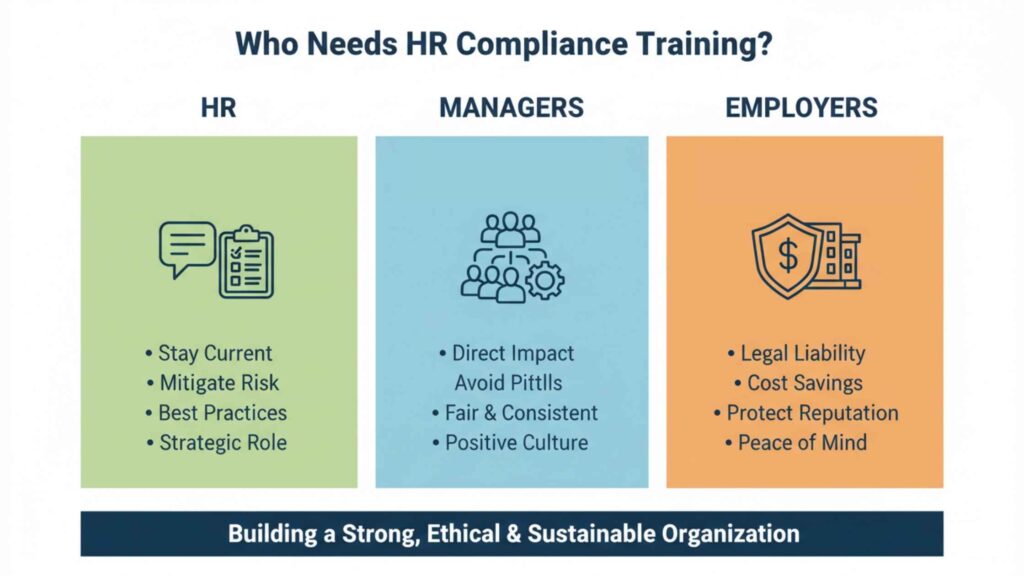
Organizations looking for who needs HR compliance training should know that this training is not reserved solely for HR departments. It is vital for HR professionals, line managers, supervisors, and organizational leaders. This is particularly true in the United States, where employment law is complex and regulatory oversight is robust.
- HR professionals require training to remain current with federal, state, and local employment regulations.
- Managers and supervisors must understand their compliance obligations to mitigate risk and promote fairness.
- Employers and executives have ultimate responsibility for compliance and are legally accountable for violations.
TheComplyGuide delivers expert-led webinars and live training sessions designed to equip every stakeholder with the knowledge and practical skills necessary to navigate the evolving compliance landscape.
Why Is HR Compliance Training More Critical Than Ever?
The regulatory environment for HR compliance has changed dramatically in recent years. The Equal Employment Opportunity Commission (EEOC), the Department of Labor (DOL), and state agencies have all increased enforcement activity. Recent legislative updates—such as changes to the Fair Labor Standards Act (FLSA), new anti-harassment mandates, and evolving leave laws—create a dynamic environment where compliance is a moving target.
According to the EEOC, employers paid over $513 million in monetary benefits for workplace discrimination claims in 2022 alone. This underscores the high cost of non-compliance and the need for regular, expert-led HR compliance training.
What Has Changed Recently?
Recent Developments:
- Harassment Prevention: Several states, including California and New York, have enacted or updated requirements for mandatory anti-harassment training for both employees and supervisors. Employers must now ensure that manager compliance training is up to date and meets these standards.
- Wage and Hour Laws: The Department of Labor has issued new guidance on the classification of employees versus independent contractors, directly impacting employer compliance duties.
- Leave and Accommodation: The Americans with Disabilities Act (ADA) and the Family and Medical Leave Act (FMLA) have seen recent interpretive guidance that affects HR legal responsibility and employer obligations.
- Remote Work Compliance: The shift to hybrid and remote workforces has introduced new compliance risks around recordkeeping, wage payment, and cybersecurity.
For businesses researching who needs hr compliance training, understanding these changes is crucial to remaining compliant and avoiding regulatory penalties.
Which Roles Are Most Impacted by HR Compliance Training?
HR Compliance Roles
HR compliance roles extend far beyond the HR department. HR professionals are responsible for policy creation, regulatory interpretation, recordkeeping, and ensuring the organization is audit-ready. They also serve as the first line of defense against regulatory breaches.
- Policy Development: Creating and updating policies to reflect changes in employment law.
- Training Delivery: Organizing and leading workforce compliance initiatives.
- Investigation and Response: Handling complaints, investigations, and documentation in compliance with legal requirements.
Manager Compliance Training
Manager compliance training is essential because managers are often the first to encounter compliance risks, whether it’s a workplace harassment report or a wage dispute. TheComplyGuide’s expert-led sessions ensure that managers understand their role, can spot risks early, and escalate issues appropriately.
- Role Modeling: Managers set the compliance tone for their teams.
- Risk Identification: Early recognition of potential violations.
- Corrective Action: Taking prompt action to address compliance issues.
Employer Compliance Duties
Employer compliance duties encompass ultimate legal responsibility for workforce compliance. Employers must ensure that their organization’s policies, procedures, and culture align with regulatory expectations. This includes providing resources for ongoing training and holding all levels of the organization accountable.
- Resource Allocation: Funding training and compliance programs.
- Accountability Structures: Establishing clear reporting lines and escalation processes.
- Continuous Improvement: Regularly evaluating and improving compliance frameworks.
What Are the Legal Responsibilities Tied to HR Compliance?
HR legal responsibility is a cornerstone of effective risk management. Federal and state laws impose specific obligations on employers, HR professionals, and managers. Failure to fulfill these responsibilities can result in legal action, regulatory fines, and reputational harm.
- Anti-Discrimination: Ensuring equal opportunity and preventing unlawful discrimination.
- Wage and Hour Compliance: Adhering to FLSA and state wage regulations.
- Workplace Safety: Complying with Occupational Safety and Health Administration (OSHA) standards.
- Privacy and Data Security: Safeguarding employee records and sensitive information.
Anyone researching who needs hr compliance training should understand that HR legal responsibility is not optional—it is a legal mandate.
How Does Workforce Compliance Impact Business Outcomes?
Workforce compliance is directly linked to organizational performance and risk mitigation. According to the U.S. Department of Labor, non-compliance can result in penalties, increased insurance costs, employee turnover, and even criminal liability for executives in egregious cases.
- Risk Reduction: A compliant workforce is less likely to experience legal claims or enforcement actions.
- Culture of Integrity: Employees who understand compliance expectations contribute to a healthier, more ethical workplace culture.
- Operational Continuity: Compliance failures can disrupt business operations and profitability.
Individuals interested in workforce compliance must recognize that ongoing training is a proactive investment in organizational success.
What Experts Are Saying
Leading compliance experts emphasize the growing complexity of HR compliance and the need for continuous education:
“HR compliance is not static; it evolves continuously. Regular, expert-led training is the only way to remain prepared for regulatory change and to protect both employees and organizations.” — Diane L. Dee, SPHR, SHRM-SCP, President, Advantage HR Consulting
“Managers are the bridge between policy and practice. Without manager compliance training, even the best policies can fail on the ground.” — Amber Vanderburg, Founder, The Pathwayz Group
“Employers must invest in compliance training to avoid preventable litigation and foster trust across the workforce. It’s not just about meeting legal requirements; it’s about building a resilient organization.” — Dr. Susan Strauss, National HR Compliance Expert
Why Choose TheComplyGuide for HR Compliance Training?
TheComplyGuide is a recognized authority in expert-led compliance training. Our courses are designed and delivered by regulatory veterans, policy architects, and HR specialists with decades of experience in both public and private sectors.
- Expert-Led Webinars: Live and interactive sessions tailored to current regulations and your organization’s needs.
- Comprehensive Content: Training covers all core compliance topics, from anti-harassment and discrimination to wage and hour law, workplace investigations, and more.
- On-Demand Access: Recordings are available for future reference, ensuring ongoing learning and compliance reinforcement.
- Custom Learning Paths: Training modules can be tailored to specific roles—HR, managers, or executives.
Our trainers—such as Diane L. Dee, Amber Vanderburg, Margie Faulk, and Dr. Susan Strauss—bring real-world insight, regulatory expertise, and a commitment to fostering best-in-class compliance cultures.
With TheComplyGuide, organizations gain more than knowledge—they gain confidence and peace of mind.
How to Get Started with TheComplyGuide
- Contact Us: To learn more or schedule training, fill out the contact form or email care@thecomplyguide.com.
- Discovery Call: Our team will respond promptly to discuss your compliance needs and recommend tailored solutions.
- Register for Training: Secure your place in upcoming live webinars or request a custom session for your organization.
TheComplyGuide responds in the shortest turnaround time to ensure your organization’s compliance needs are addressed without delay.
About TheComplyGuide
TheComplyGuide is a U.S.-based leader in expert-led compliance training, specializing in HR, life sciences, banking, finance, and more. Our mission is to empower organizations to meet regulatory obligations, minimize risk, and create ethical, high-performing workplaces through world-class education.
Discover our experts, training offerings, and compliance insights by visiting TheComplyGuide’s Regulatory Experts page or exploring our main site.
Key Takeaways
- HR compliance training is essential for HR professionals, managers, and employers to fulfill their legal responsibilities and protect the organization.
- Regulatory requirements are increasing, and enforcement actions are on the rise.
- Expert-led, live training—such as those provided by TheComplyGuide—delivers measurable improvements in compliance, risk reduction, and workplace culture.
- Organizations that invest in ongoing compliance training are better prepared to adapt, compete, and thrive in a rapidly changing regulatory landscape.
Frequently Asked Questions
Who needs HR compliance training within an organization?
HR compliance training is essential for anyone involved in hiring, managing, or overseeing employees. This includes HR professionals, managers at all levels, and business owners or employers. Essentially, anyone whose role touches on employment law, workplace policy, or employee relations should participate in compliance training to reduce legal risk and foster a safe, ethical workplace.
What are the core HR compliance roles that require training?
Core HR compliance roles include HR managers, HR generalists, recruiters, payroll specialists, and compliance officers. These roles are responsible for interpreting and enforcing employment laws, developing workplace policies, and ensuring the organization meets regulations. Training ensures these professionals understand their obligations and can proactively address compliance issues.
Why is manager compliance training important?
Manager compliance training is crucial because managers directly supervise employees and often make decisions about hiring, discipline, and workplace conduct. Proper training helps managers recognize and prevent issues like discrimination, harassment, and wage violations. It empowers them to uphold company policies and support overall workforce compliance.
What are employer compliance duties regarding HR laws?
Employer compliance duties include ensuring that all workplace practices align with local, state, and federal employment laws. This covers areas such as anti-discrimination, wage and hour regulations, workplace safety, employee privacy, and documentation requirements. Employers are legally responsible for providing effective HR compliance training and for monitoring that policies are consistently followed throughout the organization.
How does HR legal responsibility extend to daily operations?
HR legal responsibility covers everything from hiring practices and onboarding to handling grievances and terminations. HR must ensure that all processes comply with labor laws, maintain accurate records, and address complaints promptly. Failing to uphold these responsibilities can expose the company to lawsuits, fines, and reputational damage. TheComplyGuide’s training solutions help HR teams stay current and compliant in their daily operations.
How does TheComplyGuide support workforce compliance?
TheComplyGuide offers comprehensive, up-to-date compliance training modules designed for HR, managers, and employers. Our solutions cover key topics such as anti-harassment, diversity and inclusion, wage and hour laws, and workplace safety. By using interactive content and real-world scenarios, we make it easy for organizations to achieve and maintain workforce compliance while reducing risk.
Can TheComplyGuide tailor HR compliance training for specific industries?
Yes, TheComplyGuide provides industry-specific HR compliance training to address unique regulatory challenges faced by different sectors. Whether you’re in healthcare, finance, retail, or manufacturing, our courses are designed to meet the specific compliance requirements relevant to your industry and workforce.
What makes TheComplyGuide’s training effective for all levels of staff?
TheComplyGuide’s training is built to be accessible, engaging, and relevant for HR professionals, managers, and employers alike. Our platform uses interactive modules, real-life case studies, and ongoing assessments to ensure all learners, regardless of their role or experience, build the skills and knowledge required for compliance. This approach helps organizations create a culture of accountability and legal awareness across all levels.